EFL League Two
Introduction
EFL League Two is the fourth level of men’s league football in England and the lowest division administered by the English Football League. It sits below EFL League One and above the National League, forming the point at which the EFL connects with the wider non-league pyramid.
The competition contains 24 clubs with widely differing histories and resources. Former top-flight teams may compete alongside clubs that have recently entered the Football League for the first time, while others are attempting to rebuild after relegation from higher divisions.
With three automatic promotion places, a fourth available through the play-offs and two relegation places leading out of the EFL, League Two offers opportunities and dangers in almost equal measure. Promotion can begin a rapid rise through the divisions, while relegation may end decades of continuous Football League membership.
Origins and History
A national fourth tier of English league football was established in 1958 when the regional Third Division North and Third Division South were reorganised into national Third and Fourth Divisions.
The Football League Fourth Division remained in place until 1992. When the leading First Division clubs left to establish the Premier League, the divisions below were renamed. The Fourth Division became the Football League Third Division, although it continued to represent the fourth level of the English football pyramid.
Another reorganisation took place in 2004. The First Division became the Championship, the Second Division became League One and the Third Division became League Two.
Yeovil Town became the first champions under the League Two name, winning the inaugural competition in 2004–05. The Football League adopted the EFL identity in 2016, establishing EFL League Two as the division’s official name.
Although League Two is the lowest EFL division, it remains a national professional competition with clubs travelling throughout England and Wales during the season.
League Format
League Two contains 24 clubs. Each team plays every other club twice, once at home and once away.
This gives every club a 46-match league programme and produces 552 regular-season fixtures across the division. The season normally runs from August until May.
- Win: 3 points
- Draw: 1 point
- Defeat: 0 points
Clubs are ranked primarily by the number of points they have earned. If teams finish level on points, goal difference and goals scored are used to separate them, followed by the additional criteria established in the EFL regulations.
League Two clubs also compete in the FA Cup, EFL Cup and EFL Trophy. These competitions add further fixtures to an already demanding schedule, particularly when postponements and rearranged matches create congested periods later in the season.
Promotion and the League Two Play-Offs
Four League Two clubs are promoted to EFL League One at the end of each season.
The teams finishing first, second and third receive automatic promotion. The clubs placed fourth, fifth, sixth and seventh enter the League Two play-offs to determine the fourth promoted team.
The semi-final pairings are:
- Fourth place against seventh place
- Fifth place against sixth place
Each semi-final is played over two legs. The winner is determined by the aggregate score, with extra time and penalties available if the clubs remain level after the second match.
The two successful semi-finalists meet in the League Two Play-Off Final at Wembley Stadium. The match must produce a winner on the day, with extra time and a penalty shootout used if required.
Three automatic places mean League Two offers more direct promotion opportunities than the Championship or League One. However, the size and competitive balance of the division mean a promising promotion campaign can quickly become a battle merely to remain in the top seven.
Relegation to the National League
The two clubs finishing at the bottom of League Two are relegated to the National League, the fifth level of English football.
They are replaced by the National League champions and the winners of the National League play-offs. Promotion remains subject to clubs satisfying the EFL’s membership, stadium and financial requirements.
Relegation from League Two carries particular significance because it means leaving the EFL. Clubs may lose broadcasting income, sponsorship revenue and other financial benefits associated with Football League membership.
Some relegated teams return quickly, but others spend many years in non-league football. A number have suffered further relegations, financial problems or even closure after dropping out of the EFL.
The fact that only two clubs move between League Two and the National League has generated a continuing debate about whether promotion and relegation should be expanded to three places.
Memorable Clubs and Campaigns
League Two has produced dominant champions, dramatic final days and several remarkable journeys through the football pyramid.
Yeovil Town won the first League Two title in 2004–05. Milton Keynes Dons combined the 2007–08 championship with victory in the Football League Trophy, while Notts County won the 2009–10 title during a turbulent season away from the pitch.
Northampton Town set the League Two-era points record in 2015–16, collecting 99 points under Chris Wilder. The Cobblers won 29 matches and finished 13 points ahead of second-placed Oxford United.
Portsmouth won the title in 2016–17, securing their first promotion after several years of financial and sporting decline. Accrington Stanley followed in 2017–18, reaching the third tier despite operating with one of the division’s smaller budgets.
Swindon Town were declared champions in 2019–20 after the regular season was curtailed during the COVID-19 pandemic. Final positions were calculated using an unweighted points-per-game system.
Stockport County won the 2023–24 title only two years after returning to the EFL. Doncaster Rovers became champions in 2024–25, securing the title on the final day of the season.
Bromley won League Two in 2025–26 during only their second season as an EFL club. Having earned their first promotion into the Football League in 2024, they completed another historic step by reaching League One.
Notable Players and Managers
League Two has featured prolific lower-league goalscorers, experienced professionals and young players beginning their rise through English football.
Tom Pope scored 31 league goals for Port Vale in 2012–13, the highest individual total recorded in a League Two season since the competition adopted its current name. Other prominent goalscorers have included Adebayo Akinfenwa, Jamie Cureton, Izale McLeod, Marc Richards, Paddy Madden, Matt Rhead and Sam Hoskins.
The division has also helped develop players who later competed at a much higher level. Ollie Watkins established himself with Exeter City before moving through the Championship and into the Premier League and England team. Ivan Toney gained valuable senior experience with Northampton Town before becoming one of the country’s leading strikers.
Managers including Paul Ince, Paul Cook, Chris Wilder, John Coleman, Richie Wellens, Dave Challinor, Grant McCann and Andy Woodman have led clubs to League Two titles.
Successful managers must often work with relatively small squads and limited budgets. Recruitment, player development and the ability to cope with the division’s demanding schedule can be as important as tactical innovation.
Cup Competitions
League Two clubs compete in three major domestic cup competitions.
They enter the FA Cup in the first round proper, where they may face clubs from non-league football or other EFL divisions. A successful run can provide valuable prize money, broadcast income and the possibility of meeting Premier League opposition.
League Two teams also enter the EFL Cup. Although they rarely reach the closing stages, the competition offers another opportunity to face clubs from higher divisions and occasionally produce a memorable upset.
The EFL Trophy is primarily contested by clubs from League One and League Two, together with invited under-21 teams from higher divisions. It provides a potential route to a Wembley final, although the inclusion of academy sides remains controversial among some supporters.
Financial Pressure and Broadcasting
League Two clubs generally operate with smaller budgets than teams in the divisions above. Gate receipts, local sponsorship, commercial partnerships and transfer income can therefore represent an important part of a club’s finances.
Promotion to League One brings increased exposure and revenue, but clubs must strengthen carefully. Spending beyond sustainable limits in pursuit of success can create serious long-term problems.
Under the EFL’s domestic broadcasting agreement running from 2024–25 to 2028–29, 248 League Two matches are available for live broadcast each season through Sky Sports and Sky Sports+.
The increased coverage makes the competition more accessible, but changes to kick-off times can cause difficulties for match-going supporters. This is particularly significant in a national division where clubs and fans may face lengthy journeys.
Criticism and Controversy
League Two faces several recurring challenges:
- Clubs operate with significantly different budgets.
- Gate receipts remain important to many teams.
- Relegation means losing EFL membership.
- Only two clubs are promoted from the National League.
- Ownership problems can threaten a club’s survival.
- Broadcast selections can inconvenience travelling supporters.
- The inclusion of academy teams in the EFL Trophy remains unpopular with some fans.
- Stadium requirements can complicate promotion from non-league football.
The financial consequences of leaving the EFL make the relegation battle especially severe. At the other end of the table, the possibility of three automatic promotion places can keep numerous clubs involved in the race for League One.
League Two Champions by Season
League Two Champions by Season
| Season | Champions |
|---|---|
| 2004–05 | Yeovil Town |
| 2005–06 | Carlisle United |
| 2006–07 | Walsall |
| 2007–08 | Milton Keynes Dons |
| 2008–09 | Brentford |
| 2009–10 | Notts County |
| 2010–11 | Chesterfield |
| 2011–12 | Swindon Town |
| 2012–13 | Gillingham |
| 2013–14 | Chesterfield |
| 2014–15 | Burton Albion |
| 2015–16 | Northampton Town |
| 2016–17 | Portsmouth |
| 2017–18 | Accrington Stanley |
| 2018–19 | Lincoln City |
| 2019–20 | Swindon Town |
| 2020–21 | Cheltenham Town |
| 2021–22 | Forest Green Rovers |
| 2022–23 | Leyton Orient |
| 2023–24 | Stockport County |
| 2024–25 | Doncaster Rovers |
| 2025–26 | Bromley |
League Two Facts and Records
- First champions under the League Two name: Yeovil Town, 2004–05
- Latest champions: Bromley, 2025–26
- Highest points total in the League Two era: Northampton Town, 99 in 2015–16
- Most victories by a League Two champion: Northampton Town, 29 in 2015–16
- Most goals by a player in one League Two season: Tom Pope, 31 for Port Vale in 2012–13
- Most League Two titles since 2004: Chesterfield and Swindon Town, two each
- Regular-season matches: 552
- League matches played by each club: 46
- Automatic promotion places: 3
- League Two play-off places: 4
- Relegation places: 2
- First League Two season decided using points per game: 2019–20
The Enduring Appeal of League Two
EFL League Two occupies a distinctive place in English football. It is both a national professional competition and the gateway connecting the EFL with the divisions below.
Its clubs range from former top-flight teams to newcomers experiencing Football League membership for the first time. Some have large stadiums and ambitions of climbing several divisions, while others measure success through stability, gradual development and survival.
The combination of four promotion places and two relegation positions creates drama throughout the table. A club can rise rapidly through the play-offs, while another may see decades of EFL membership placed at risk.
From traditional grounds and long away journeys to final-day promotion battles and the League Two Play-Off Final at Wembley, the division offers a form of football shaped by resilience, community and ambition.
Recommended Football Products
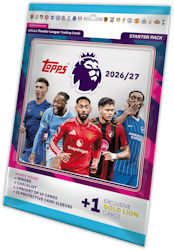
Topps Flagship Premier League 2026/27 Trading Cards Online Starter Pack
The Online exclusive Starter Pack is the perfect way to kick off your Topps Flagship Premier League 2026/27 collection, bringing together stars, rookies, inserts, and exciting chase cards in one accessible format.
View product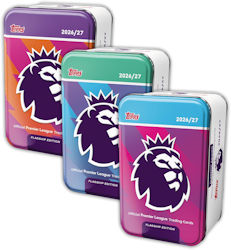
Topps Flagship Premier League 2026/27 Trading Cards Super Tin Bundle
The Super Tin Bundle contains all 3 Super Tins in the collection. Each Super Tin contains 50 cards including 3 On-Fire cards and 2 exclusive Blue Voltage parallels!
View product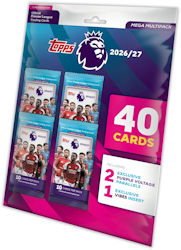
Topps Flagship Premier League 2026/27 Trading Cards Mega Multipack
The Mega Multupack contains 40 cards including 2 exclusive Purple Voltage parallels and an exclusive Vibes Insert.
View product
As an Amazon Associate I earn from qualifying purchases.