League One
Leyton Orient
League Position Tracker
Last 5 Results
Leyton Orient Player Stats
Top 10 Attacking Players
#
Player
Goals
Assists
Points
1
Y. Akhamrich
3
1
10
2
J. Kabia
2
2
8
3
T. Springett
1
1
4
4
A. Dobra
1
0
3
5
J. Olowu
1
0
3
6
N. Oyekunle
1
0
3
7
D. Mitchell
0
2
2
8
W. Forrester
0
1
1
Top 10 Disciplinary Records
#
Player
Yellow
Red
Points
1
I. Hayden
3
0
3
2
F. Stevens
2
0
2
3
I.E. Mizouni
1
0
1
4
J. Kabia
1
0
1
5
P. Chinedu
1
0
1
6
T. Archibald
1
0
1
7
T. Springett
1
0
1
8
Z. Obiero
1
0
1
Introduction
Leyton Orient Football Club, often simply referred to as Orient, is a professional football club based in Leyton, East London. Known for its vibrant identity, the club holds a unique position in English football. Founded in 1881, Leyton Orient is notable for its rich history and strong community ties. The club has garnered a reputation for resilience over the years, embodying the spirit of East London.
History
Leyton Orient’s origins date back to 1881 when it was established as the Goresbrook Football Club. The club later changed its name to Leyton Orient in 1946. Early in its history, the team joined the Southern League but transitioned to the Football League in 1907. This move marked the beginning of a long journey through various divisions of English football.
The club faced financial difficulties and relegation battles throughout the early 20th century but found some success in the 1960s under manager Jimmy Bloomfield, achieving promotion to the Second Division in 1962. The club’s notable moments came in the 1970s, including a memorable FA Cup run in 1978, where they reached the quarter-finals. The introduction of various managerial regimes shaped the club’s fortunes, with some seasons characterised by strong performances and enthusiastic fan support, despite the challenges faced.
Stadium
Leyton Orient plays its home matches at the Breyer Group Stadium, previously known as Brisbane Road. Located in Leyton, the stadium has a seating capacity of approximately 9,271. Opened in 1905, it is one of the oldest football grounds still in use. The stadium boasts several standout features, including its historic architecture and a welcoming atmosphere created by the loyal fanbase. The pitch has seen many memorable moments in the club’s history, serving as a proud venue for supporters.
Achievements
Leyton Orient has enjoyed various successes over its long history. The team’s most significant achievement came in 1962 when they reached the Second Division after winning the Third Division championship. A highlight in the club’s narrative is its memorable journey to the 1978 FA Cup quarter-finals, where they faced Arsenal in a gripping encounter. The club has also won the Football League Trophy, showcasing its competitive spirit in national tournaments.
In recent years, the club has continued to make strides, with various league campaigns yielding both challenges and triumphs, contributing to its resilient identity in British football.
Famous Players & Managers
Throughout its history, Leyton Orient has been associated with several players and managers who have left an indelible mark on the club. Notable figures include striker Reg McGarry, who made history in the 1960s as one of the league’s top scorers.
In more contemporary times, players such as Justin Edinburgh, who served both as a player and manager, have become iconic figures in the club’s lore. Edinburgh is remembered for leading the team during challenging times and fostering a strong sense of community within the club’s operations.
Managers like John Sitton and Martin Ling have also played crucial roles, guiding the team to various noteworthy performances and instilling passion among fans.
Supporters & Culture
Leyton Orient boasts a diverse and passionate fanbase that is integral to the club’s identity. The supporters, often referred to as "O’s," are known for their unwavering loyalty, attending home and away matches in large numbers. The vibrant culture is characterised by chants and songs that resonate throughout the Breyer Group Stadium, creating an electric atmosphere on match days.
Rivalries form an essential part of the club’s culture, with West Ham United and Millwall being key opponents. Matches against these teams are often highly anticipated, drawing in fervent crowds.
The values of community, resilience, and ambition strongly resonate within the club’s ethos. Leyton Orient actively engages in community programmes, emphasizing social responsibility and inclusivity, which further entwines the club with its local supporters.
In summary, Leyton Orient Football Club, with its rich history and dedicated fanbase, continues to be a commendable symbol of football in East London. Through its achievements, memorable characters, and community-oriented approach, the club reflects the enduring spirit of the sport.
Recommended Football Products
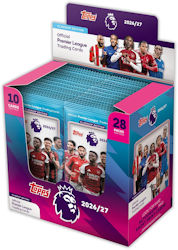
Topps Flagship Premier League 2026/27 Trading Cards Full Box
The Full Box contains 28 packets (10 cards per packet). Each box delivers the full Topps Flagship Premier League 2026/27 collecting experience, packed with stars, rookies, rare inserts, and exciting hits.
View product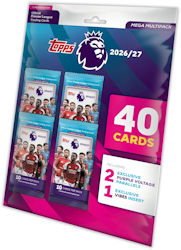
Topps Flagship Premier League 2026/27 Trading Cards Mega Multipack
The Mega Multupack contains 40 cards including 2 exclusive Purple Voltage parallels and an exclusive Vibes Insert.
View product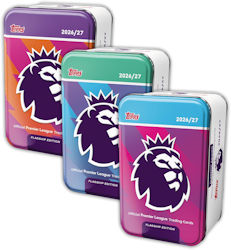
Topps Flagship Premier League 2026/27 Trading Cards Super Tin Bundle
The Super Tin Bundle contains all 3 Super Tins in the collection. Each Super Tin contains 50 cards including 3 On-Fire cards and 2 exclusive Blue Voltage parallels!
View productSee all Leyton Orient Football Club products
As an Amazon Associate I earn from qualifying purchases.