
Forest Green Rovers Football Club
Introduction
Forest Green Rovers Football Club is located in Nailsworth, Gloucestershire, England. Founded in 1889, the club is widely regarded as one of the most environmentally conscious football teams in the world. With its distinct green and black kit, the club has proudly cultivated a reputation not only for its on-field achievements but also for its commitment to sustainability and community engagement.
History
Dating back to its inception in 1889, Forest Green Rovers was founded by a group of local pioneers who sought to create a community-centric football club. Initially competing in local leagues, the club began to gain prominence by joining the Southern League in 1908. Over the decades, Forest Green has navigated through various leagues, experiencing both promotion and relegation.
A significant turning point in the club’s history occurred when it was taken over by Dale Vince in 2010. Vince, an entrepreneur and founder of the energy company Ecotricity, transformed the club’s approach, driving its sustainability initiatives. This not only elevated Forest Green’s profile but also instilled a sense of identity rooted in ecological responsibility.
Stadium
The club’s home ground, The New Lawn, is situated in Nailsworth and has a seating capacity of approximately 5,147. Opened in 2006, it features a unique eco-friendly design, including rainwater harvesting and solar panels, reflecting the club’s commitment to sustainability. The stadium has become a focal point for both local and visiting supporters, boasting a picturesque setting amidst the Cotswold hills. Additionally, The New Lawn has hosted various community events, integrating the club further into the local culture.
Achievements
Forest Green Rovers has experienced several notable successes over the years. Their most significant achievements include winning the National League play-offs in 2017, which saw the club promoted to the Football League for the first time in its history. The club also won the FA Trophy in 1999 and reached the finals again in 2017. Moreover, under Dale Vince’s leadership, Forest Green secured promotion from the League Two to EFL League One, marking a promising trajectory in the club’s competitive landscape.
The team has also won the "Greenest Football Club in the World" title awarded by FIFA, a testament to its pioneering role in eco-friendly initiatives within the sport.
Famous Players & Managers
Over its long history, Forest Green Rovers has seen numerous players and managers who have significantly impacted the club. Notable figures include striker Gary Thacker, who holds the record for the most goals scored during his time at the club, and Manager Rob Edwards, who successfully led the team to significant achievements during his tenure.
Additionally, the club’s ethos attracted talents like Ebou Adams and Nicky Cadden, who played pivotal roles in their campaigns within the Football League. Each of these figures contributed to the club’s identity and helped build a competitive spirit that resonates with both players and supporters alike.
Supporters & Culture
The fanbase of Forest Green Rovers is known for its passionate support, with a strong sense of community at its core. Home games at The New Lawn often see a diverse crowd, showcasing families, younger fans, and long-time supporters, all of whom create a vibrant atmosphere. The club promotes an inclusive environment, encouraging local engagement through various community initiatives.
Traditionally, local rivalries add an extra edge to matches, particularly against clubs like Walsall and Cheltenham Town, intensifying the local sporting culture. Notably, the club’s values are deeply intertwined with its ecological stance, promoting sustainability as a core principle. This ethos extends to its merchandise, matchday operations, and community outreach, reinforcing the idea that football can indeed contribute to a sustainable future.
In summary, Forest Green Rovers Football Club transcends the conventional identity of a football team through its commitment to environmental sustainability, community engagement, and on-field success. As the club continues to evolve, it remains a unique entity within the English football landscape.
Recommended Football Products
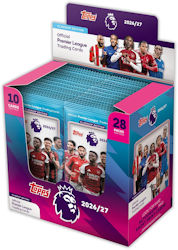
Topps Flagship Premier League 2026/27 Trading Cards Full Box
The Full Box contains 28 packets (10 cards per packet). Each box delivers the full Topps Flagship Premier League 2026/27 collecting experience, packed with stars, rookies, rare inserts, and exciting hits.
View product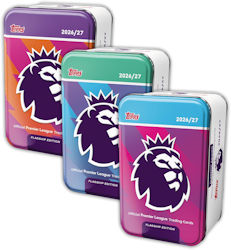
Topps Flagship Premier League 2026/27 Trading Cards Super Tin Bundle
The Super Tin Bundle contains all 3 Super Tins in the collection. Each Super Tin contains 50 cards including 3 On-Fire cards and 2 exclusive Blue Voltage parallels!
View product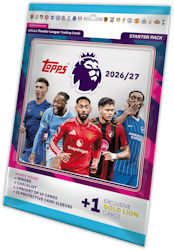
Topps Flagship Premier League 2026/27 Trading Cards Online Starter Pack
The Online exclusive Starter Pack is the perfect way to kick off your Topps Flagship Premier League 2026/27 collection, bringing together stars, rookies, inserts, and exciting chase cards in one accessible format.
View product
As an Amazon Associate I earn from qualifying purchases.


