Premier League
Nottingham Forest
League Position Tracker
Last 5 Results
Nottingham Forest Player Stats
Top 10 Attacking Players
#
Player
Goals
Assists
Points
1
Morgan Gibbs-White
1
2
5
2
Dan Ndoye
1
0
3
3
Igor Jesus Maciel da Cruz
1
0
3
4
Liam Delap
1
0
3
5
Murillo Costa dos Santos
0
1
1
6
Neco Williams
0
1
1
Top 10 Disciplinary Records
#
Player
Yellow
Red
Points
1
Jair Paula da Cunha Filho
2
0
2
2
James McAtee
2
0
2
3
Liam Delap
2
0
2
4
Ola Aina
2
0
2
5
Dan Ndoye
1
0
1
6
Igor Jesus Maciel da Cruz
1
0
1
7
Murillo Costa dos Santos
1
0
1
8
Nikola Milenković
1
0
1
9
Xaver Schlager
1
0
1
Introduction
Nottingham Forest Football Club, based in Nottingham, England, is a professional football club renowned for its rich history and passionate fanbase. Founded in 1865, it holds the distinction of being one of the oldest football clubs in the world. The club is widely respected for its contributions to English football, particularly during the late 20th century when it achieved remarkable success. Its iconic red kit and the famous City Ground serve as symbols of its identity and enduring legacy.
History
Nottingham Forest was formed in 1865 by a group of local football players, initially as a works team for the Nottingham Forest Cricket Club. The club quickly established itself in the regional leagues, but it was during the late 19th century that it gained significant traction, turning professional in 1885. Forest won its first major trophy in 1898, the FA Cup, which set the stage for subsequent achievements.
A pivotal moment in the club’s history came in the 1970s under the management of Brian Clough. Clough brought unprecedented success to Forest, leading them to their first league title in 1978 and an impressive back-to-back victory in the European Cup in 1979 and 1980. This period not only elevated the club’s status in England but also established Clough as a legendary figure in football history.
Stadium
The City Ground, located on the banks of the River Trent, has been the home of Nottingham Forest since 1898. The stadium has a seating capacity of approximately 30,000, making it one of the larger venues in the Championship. Known for its vibrant atmosphere, especially during local derbies, the City Ground features modern facilities while still retaining its historical charm. A notable feature of the ground is its close proximity to the river, providing a scenic backdrop viewed from the stands.
Achievements
Nottingham Forest’s history is marked by considerable success. The club has won the Football League Championship (now known as the Premier League) a total of one time, triumphing in 1978. However, its major honours are highlighted by winning the FA Cup twice in 1898 and 1959 and being crowned European champions twice, in 1979 and 1980. Additionally, the club won the Football League Cup four times, with the last victory occurring in 1989. These achievements have solidified its reputation as one of the giants of English football, particularly during the heyday of the Clough era.
Famous Players & Managers
Several iconic figures have graced Nottingham Forest over the years, both on the pitch and in the managerial role. Brian Clough is perhaps the most revered, known for his charismatic leadership and strategic brilliance that brought success to the club in the late 1970s. Players like Peter Shilton, who is recognised as one of England’s greatest goalkeepers, and John McGovern, a key midfielder during the European successes, have left indelible marks on the club’s history. More recent legends include the likes of Andy Reid and Chris Cohen, who are celebrated for their contributions to the club’s ethos and on-field performances.
Supporters & Culture
The fanbase of Nottingham Forest is known for its unwavering loyalty and passionate support, with a rich tradition that has developed over the decades. The supporters, colloquially referred to as "The Reds," regularly fill the City Ground, creating an electrifying atmosphere during home matches. The club’s values of community and solidarity are deeply ingrained in the fan culture, often expressed through various community outreach initiatives and events that engage local youth and families.
Rivalries, particularly with local club Derby County, ignite fierce competition, culminating in matches that are highly anticipated by fans and players alike. These derbies evoke a sense of pride and passion, reinforcing the club’s identity and place in the hearts of its supporters.
In conclusion, Nottingham Forest Football Club is a historic institution within English football, with a legacy defined by notable achievements and a committed fanbase. The club continues to strive for success while honouring its storied past, embodying the spirit and traditions that have come to characterise this iconic club.
Recommended Football Products
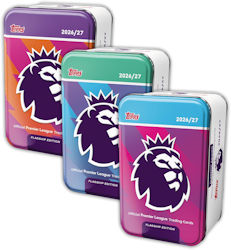
Topps Flagship Premier League 2026/27 Trading Cards Super Tin Bundle
The Super Tin Bundle contains all 3 Super Tins in the collection. Each Super Tin contains 50 cards including 3 On-Fire cards and 2 exclusive Blue Voltage parallels!
View product
Topps Flagship Premier League 2026/27 Trading Cards Online Starter Pack
The Online exclusive Starter Pack is the perfect way to kick off your Topps Flagship Premier League 2026/27 collection, bringing together stars, rookies, inserts, and exciting chase cards in one accessible format.
View product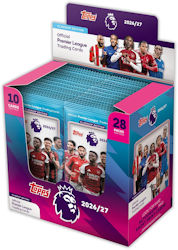
Topps Flagship Premier League 2026/27 Trading Cards Full Box
The Full Box contains 28 packets (10 cards per packet). Each box delivers the full Topps Flagship Premier League 2026/27 collecting experience, packed with stars, rookies, rare inserts, and exciting hits.
View productSee all Nottingham Forest Football Club products
As an Amazon Associate I earn from qualifying purchases.