Championship
Derby County
League Position Tracker
Last 5 Results
Derby County Player Stats
Top 10 Attacking Players
#
Player
Goals
Assists
Points
1
S. Szmodics
2
0
6
2
B. Clark
1
2
5
3
C. Morris
1
1
4
4
L. Salvesen
1
0
3
5
Mohammed Fuseini
1
0
3
6
O. Fraulo
0
1
1
7
Rhian Brewster
0
1
1
Top 10 Disciplinary Records
#
Player
Yellow
Red
Points
1
S. Langas
3
0
3
2
A. Mowatt
2
0
2
3
D. Sanderson
2
0
2
4
L. Travis
2
0
2
5
C. Blackett-Taylor
1
0
1
6
C. Taylor
1
0
1
7
Corey Blackett-Taylor
1
0
1
8
David Ozoh
1
0
1
9
M. Fuseini
1
0
1
10
M. Johnston
1
0
1
Introduction
Derby County Football Club is a professional football club based in Derby, England. Established in 1884, the club has a rich history and is known for its distinctive black and white stripes, which feature prominently in its identity. Derby County plays its home matches at Pride Park Stadium, situated near the River Derwent. The club enjoys a dedicated following and has a reputation for a passionate fanbase that contributes to the vibrant football culture in the region.
History
Founded on 5th February 1884 by the Derbyshire Cricket Club, Derby County began as a team competing in local friendlies before joining the Football League in 1888, becoming one of its original members. The early years were marked by gradual development, with the club winning its first major trophy in 1890, the FA Cup. The club’s fortunes fluctuated over the decades, with notable successes in the early 20th century.
A significant moment in the club’s history came during the 1970s under the management of Brian Clough and later, Dave Mackay. Clough led the club to its first top-flight title in 1972 and secured the FA Cup in 1975. This period marked the club as a formidable force in English football and laid the groundwork for future generations.
Stadium
Derby County plays its home matches at Pride Park Stadium, which opened in 1997. Located just a mile from the city centre, the stadium has a capacity of approximately 33,597, making it one of the largest in the Championship. Pride Park features modern facilities, including hospitality suites and corporate areas, enhancing the matchday experience for both fans and visitors. The stadium’s design aims to create an atmosphere conducive to supporting the home team, with a distinctive two-tier structure that emphasises acoustics.
Achievements
Derby County boasts a storied list of honours, including two Football League titles, won in the 1971-72 and 1974-75 seasons. The club has also claimed the FA Cup on one occasion, in 1946, and has had significant successes in lower divisions. In recent decades, the club has competed in both the Premier League and the Championship, contributing to a history intertwined with both triumph and adversity.
The club’s most notable achievements include being crowned champions of the old First Division (now the Premier League) and reaching the final of the FA Cup on multiple occasions. Throughout its history, Derby County has had periods of resurgence, often marked by impressive youth development and a strong community ethos.
Famous Players & Managers
Over the years, Derby County has been home to several legendary players and managers. Among them is the iconic Brian Clough, whose managerial tenure in the 1970s brought unprecedented success and transformed the club’s identity. Notable players include Roy McFarland, a stalwart in defence during the 1970s, and more recent talents like Wayne Rooney, who joined the club in a player-coach capacity.
Additionally, other significant figures such as Charlie George and Marco Ferenkho, have left an indelible mark on the club. Their contributions have shaped Derby’s history and continue to resonate with fans today.
Supporters & Culture
Derby County enjoys a passionate and loyal fanbase that plays a crucial role in the club’s identity. Known as the “Rams,” supporters gather at Pride Park, creating an electric atmosphere on matchdays. The club’s values emphasise community, resilience, and a commitment to developing local talent, which are reflected in the fan culture.
Rivalries are a vibrant part of Derby County’s history, particularly the fierce contests with Nottingham Forest, which is steeped in historical significance and local pride. Matches between these two teams are highly anticipated, drawing large crowds and generating intense excitement.
Longstanding traditions, such as pre-match rituals and post-match celebrations, contribute to the strong sense of community among supporters. From singing the club anthem to community outreach efforts, Derby County Football Club continues to embody the spirit of Derby and its people, ensuring a legacy that extends beyond the pitch.
In conclusion, Derby County Football Club stands as a significant part of English football history, with a rich heritage, proud achievements, and a devoted fanbase that ensures its continued relevance in the landscape of the sport.
Recommended Football Products
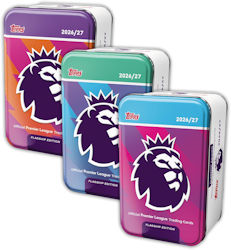
Topps Flagship Premier League 2026/27 Trading Cards Super Tin Bundle
The Super Tin Bundle contains all 3 Super Tins in the collection. Each Super Tin contains 50 cards including 3 On-Fire cards and 2 exclusive Blue Voltage parallels!
View product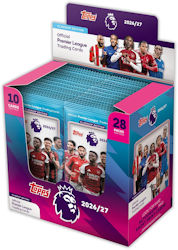
Topps Flagship Premier League 2026/27 Trading Cards Full Box
The Full Box contains 28 packets (10 cards per packet). Each box delivers the full Topps Flagship Premier League 2026/27 collecting experience, packed with stars, rookies, rare inserts, and exciting hits.
View product
World Club Football Records 2026
Fully revised and updated, World Club Football Records is a net-bulging collection of standout football records, stats and trivia from around the globe.
View productSee all Derby County Football Club products
As an Amazon Associate I earn from qualifying purchases.