Premier League
Hull City
League Position Tracker
Last 5 Results
Hull City Player Stats
Top 10 Attacking Players
#
Player
Goals
Assists
Points
1
Mohamed Belloumi
2
1
7
2
Liam Millar
1
0
3
3
Nobel Mendy
1
0
3
4
Semi Ajayi
1
0
3
5
Oli McBurnie
0
2
2
6
Regan Slater
0
1
1
7
Ryan Giles
0
1
1
Top 10 Disciplinary Records
#
Player
Yellow
Red
Points
1
Matt Crooks
2
0
2
2
Oli McBurnie
2
0
2
3
Brooke Norton-Cuffy
1
0
1
4
Elliot Stroud
1
0
1
5
John Egan
1
0
1
6
Lewie Coyle
1
0
1
7
Liam Millar
1
0
1
8
Lucas Gourna-Douath
1
0
1
9
Regan Slater
1
0
1
10
Semi Ajayi
1
0
1
Introduction
Hull City Football Club, commonly known as the Tigers, is a professional football club based in Hull, East Yorkshire, England. Founded in 1904, Hull City has become an integral part of the city’s cultural identity and has established a reputation for resilience and determination on the pitch. The club’s colours are amber and black, with the team often referred to by their nickname, reflecting the vibrant local culture and history.
History
Hull City was founded in June 1904 in response to local demand for a professional football club. The club’s early years were marked by participation in various regional leagues until it joined the Football League in 1905. After several seasons in the lower divisions, the Tigers began to flourish in the 1920s, reaching their first significant milestone by securing promotion to the First Division in 1924.
The tragic passing of forward Tom Wilson in 1920 led the team to honour him by naming the club’s ground, then called Anlaby Road, after him. The club’s early growth was punctuated by several promotions and relegations in the following decades, painting a picture of fluctuating fortunes.
Stadium
The home ground of Hull City is the MKM Stadium, which has a seating capacity of approximately 25,400. Opened in 2002, the stadium was initially known as the Kingston Communications Stadium and boasts modern facilities that enhance fan experience. Its design embraces a bowl concept, allowing for excellent sightlines from all seats. A notable feature of the MKM Stadium is its versatility, hosting not only football matches but also concerts and other sporting events, making it a vital venue in the Hull community.
Achievements
Hull City has experienced various successes throughout its history, particularly in domestic competitions. The club’s crowning achievement came in 2014 when they reached the FA Cup Final for the first time, although they were narrowly defeated by Arsenal in a dramatic match. Another landmark occasion occurred in 2008 when Hull City secured promotion to the Premier League for the first time, marking a notable rise through the ranks.
In terms of silverware, the Tigers have achieved significant recognition in the Football League Championship, winning the title in the 2007-08 season and finishing as runners-up in 2012-13. Their accomplishments also include winning the FA Cup Second Round and the Football League Trophy in 2008.
Famous Players & Managers
Over its long history, Hull City has boasted many distinguished players and managers who have left a lasting legacy at the club. Notable figures include Sir Ian Ashbee, who captained the team during their ascension into the Premier League, and Jimmy Bullard, known for his energetic playing style and charismatic personality on and off the pitch. Other prominent players include Ryan Mason and Michael Dawson, both of whom contributed to the club’s Premier League journey.
Distinguished managers such as Brian Horton and Steve Bruce have significantly influenced Hull City’s tactics and performance. Bruce was particularly instrumental in leading the club to its first FA Cup Final and successfully maintaining its Premier League status in subsequent seasons.
Supporters & Culture
Hull City’s fan base is known for its passionate support and loyalty, with the team enjoying a broad following both locally and internationally. The supporters, known as the "Hull City faithful," have cultivated a rich matchday culture that includes singing, chants, and vibrant displays of team spirit. The club’s mascot, Roary the Tiger, further embodies the community’s lively nature and engagement with younger fans.
Rivalries play a significant role in the club’s culture, with matches against local counterparts like Scunthorpe United and rivals from the same region, such as Sheffield Wednesday, drawing fervent interest and excitement. Additionally, the club upholds values of community focus, determination, and inclusivity, epitomised by its outreach initiatives aimed at fostering local engagement and supporting various charitable causes.
In summary, Hull City Football Club has built a rich heritage over the years, rooted in its unique history, successes, and strong ties with its community. As the Tigers continue to navigate their journey in English football, they remain a vital part of Hull’s identity and sporting landscape.
Recommended Football Products
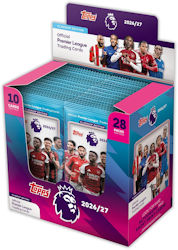
Topps Flagship Premier League 2026/27 Trading Cards Full Box
The Full Box contains 28 packets (10 cards per packet). Each box delivers the full Topps Flagship Premier League 2026/27 collecting experience, packed with stars, rookies, rare inserts, and exciting hits.
View product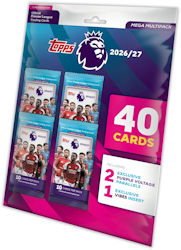
Topps Flagship Premier League 2026/27 Trading Cards Mega Multipack
The Mega Multupack contains 40 cards including 2 exclusive Purple Voltage parallels and an exclusive Vibes Insert.
View product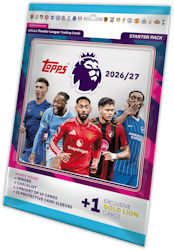
Topps Flagship Premier League 2026/27 Trading Cards Online Starter Pack
The Online exclusive Starter Pack is the perfect way to kick off your Topps Flagship Premier League 2026/27 collection, bringing together stars, rookies, inserts, and exciting chase cards in one accessible format.
View productSee all Hull City Football Club products
As an Amazon Associate I earn from qualifying purchases.