Championship
Middlesbrough
League Position Tracker
Last 5 Results
Middlesbrough Player Stats
Top 10 Attacking Players
#
Player
Goals
Assists
Points
1
W. Lankshear
5
0
15
2
A. Jones
1
0
3
3
A. Morris
1
0
3
4
J. Sarmiento
1
0
3
5
C. Brittain
0
1
1
6
L. Ayling
0
1
1
7
M. Whittaker
0
1
1
8
R. McGree
0
1
1
9
S. Berhalter
0
1
1
Top 10 Disciplinary Records
#
Player
Yellow
Red
Points
1
W. Lankshear
2
0
2
2
A. Jones
1
0
1
3
A. Malanda
1
0
1
4
C. Brittain
1
0
1
Introduction
Middlesbrough Football Club, commonly referred to as Boro, is a professional football club based in Middlesbrough, North Yorkshire, England. Established in 1876, Boro has a storied identity deeply woven into the fabric of the local community. The club has enjoyed a reputation for its passionate supporters and competitive spirit, influencing the football landscape both regionally and nationally. With a commitment to footballing excellence, Middlesbrough continues to be a focal point for its dedicated fanbase.
History
Middlesbrough Football Club was founded in the autumn of 1876, initially formed as a way for local cricketers to engage in winter sports. The club adopted the name "Middlesbrough" and joined the Northern League in 1889, quickly gaining a reputation for its progresses and competitive nature. One of the pivotal moments in the club’s history came in 1899 when Boro was elected to the Football League, initiating a continuous journey through the tiers of English football.
Throughout the early 20th century, the club experienced fluctuating fortunes, culminating in its first significant achievement in 1903, when they won the Second Division title. The club’s early growth saw it evolve from a regional entity to a key player within English football, greatly aided by increasing attendances and a burgeoning fanbase.
Stadium
Middlesbrough Football Club plays its home matches at the Riverside Stadium, located on the banks of the River Tees. Opened in 1995, the stadium boasts a capacity of approximately 34,000 seats, making it one of the largest venues in the region. The Riverside is celebrated for its modern design, offering excellent sightlines and facilities for fans. Notably, the stadium features a distinctive cantilever roof, which enhances the atmosphere during matches. Its location adjacent to the river provides picturesque views, enriching the matchday experience for supporters.
Achievements
Middlesbrough Football Club has enjoyed a successful history, with a catalogue of achievements reflecting its status. The club has won major trophies, including three FA Cups (in 1895, 1912, and 1997) and one League Cup (in 2004). The crowning achievement came in 2006 when Boro reached the UEFA Cup Final, a remarkable journey that culminated in a historic match in Eindhoven, showcasing the club on the European stage. Boro’s consistent presence in the top tiers of English football has allowed them to cultivate a rich tradition, earning respect across various competitions.
Famous Players & Managers
Over the years, Middlesbrough has been home to many legendary players and managers who have left an indelible mark on the club. Notable figures include Bryan Robson, who started his career at Boro and went on to achieve great success as a manager. Other icons include Giuliano Belletti and Juninho Paulista, whose skill and flair captivated fans and brought success during their tenures.
Managers such as Jack Charlton and Steve McClaren also played crucial roles in shaping the club’s identity, leading the team to significant achievements during their respective reigns. These individuals not only contributed to the club’s successes but also embodied the values and ambitions of Middlesbrough FC.
Supporters & Culture
Middlesbrough’s fanbase is known for its unwavering loyalty and passionate support, often filling the Riverside Stadium to create an electric atmosphere. The supporters’ club culture is steeped in traditions, with matchday rituals that include singing the club anthem, "Low and Behold," and various chants that resonate throughout the stadium.
Rivalries, particularly with clubs like Sunderland and Newcastle United, add an extra layer of intensity to matches, contributing to the unique football culture in the region. Middlesbrough FC stands for community, resilience, and fair play, embodying values that are celebrated by its supporters. The club takes pride in its grassroots initiatives, fostering a strong link between the team and the local community, further enhancing its stature within football.
In conclusion, Middlesbrough Football Club stands as a testament to the enduring spirit of football in the UK. Its rich history, committed support, and notable achievements make it a significant entity, not only in North Yorkshire but also in the broader landscape of English football.
Recommended Football Products

Topps Flagship Premier League 2026/27 Trading Cards Full Box
The Full Box contains 28 packets (10 cards per packet). Each box delivers the full Topps Flagship Premier League 2026/27 collecting experience, packed with stars, rookies, rare inserts, and exciting hits.
View product
Topps Flagship Premier League 2026/27 Trading Cards Mega Multipack
The Mega Multupack contains 40 cards including 2 exclusive Purple Voltage parallels and an exclusive Vibes Insert.
View product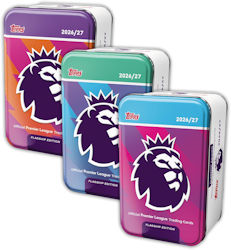
Topps Flagship Premier League 2026/27 Trading Cards Super Tin Bundle
The Super Tin Bundle contains all 3 Super Tins in the collection. Each Super Tin contains 50 cards including 3 On-Fire cards and 2 exclusive Blue Voltage parallels!
View productSee all Middlesbrough Football Club products
As an Amazon Associate I earn from qualifying purchases.