League Two
Colchester
League Position Tracker
Last 5 Results
Colchester Player Stats
Top 10 Attacking Players
#
Player
Goals
Assists
Points
1
Harry Anderson
1
0
3
2
Oscar Thorn
0
1
1
Top 10 Disciplinary Records
#
Player
Yellow
Red
Points
1
Ellis Iandolo
1
0
1
2
Kane Vincent-Young
1
0
1
Introduction
Colchester United Football Club, often colloquially referred to as "Col U," is a professional football club based in Colchester, Essex. Founded in 1937, the club enjoys a reputation as one of the oldest in the English Football League system. Colchester United’s identity is deeply intertwined with its local community, representing the spirit and resilience of its supporters.
History
Colchester United was founded in 1937, in response to the growing popularity of football in the region and the desire to fill the void left by Colchester Town, who disbanded earlier in the same year. The club initially joined the Southern League and made an immediate impact, winning the league title in their first season of competition.
In 1950, Colchester United achieved a significant milestone by becoming members of the Football League, starting in the Third Division South. Over the years, the club experienced various levels of success and struggle, including celebrated runs in the FA Cup. One of the club’s most memorable moments came in 1971 when they reached the quarter-finals of the FA Cup, defeating top-tier teams along the way.
Stadium
Colchester United plays its home matches at the JobServe Community Stadium, located on the outskirts of Colchester. Opened in 2008, the stadium has a seating capacity of approximately 10,000. It features modern facilities, including hospitality suites and a community hub that underscores the club’s commitment to engaging with local residents. Notably, the stadium was designed to be environmentally friendly, with sustainable features incorporated into its construction.
Achievements
Throughout its history, Colchester United has enjoyed a series of notable accomplishments. They won their first significant trophy in 1992, lifting the Football League Trophy (now known as the EFL Trophy) in a memorable final at Wembley Stadium.
In terms of league success, the club’s finest hour came in the 2005-06 season when they secured promotion to the Championship for the first time in their history. During their time in the Championship, the club enjoyed various moments of dignity, including a famous victory against Norwich City in 2006, further raising their profile in English football.
Famous Players & Managers
Colchester United has been home to several notable players and managers who have made significant contributions to the club’s identity. One prominent figure is the legendary striker, United’s all-time leading goal scorer, and club captain, Brian Wilson, who played a crucial role in the team during the 1970s and 1980s.
Another significant figure is manager George Burley, who led the club to its promotion to the Second Division in 1998. His impact on the team’s development is still remembered fondly by supporters.
In more recent times, players like Freddie Sears and Samuel Smith gained recognition for their performances, showcasing the club’s capacity to develop talent.
Supporters & Culture
Colchester United boasts a dedicated and passionate fanbase, reflecting the local community’s support for their team. The club’s supporters are recognised for their unwavering loyalty, creating an electric atmosphere during home matches at the JobServe Community Stadium.
Rivalries play an essential role in the culture of Colchester United, with games against teams such as Chelmsford City and Cambridge United generating considerable interest and excitement among fans. The club upholds values that resonate deeply with its community, focusing on inclusiveness, integrity, and a family-friendly atmosphere.
Traditions surrounding match days include fan gatherings at local pubs and community events, fostering a sense of belonging among supporters. Moreover, Colchester United actively engages with the community through outreach programmes, helping to strengthen its ties with local residents and reflecting the club’s ethos of unity and shared identity.
In summary, Colchester United Football Club stands as a testament to the enduring spirit of football in Essex, with a rich history, a supportive fanbase, and a commitment to community values that continue to shape its identity.
Recommended Football Products
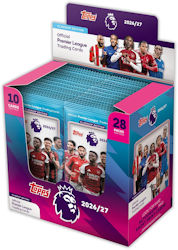
Topps Flagship Premier League 2026/27 Trading Cards Full Box
The Full Box contains 28 packets (10 cards per packet). Each box delivers the full Topps Flagship Premier League 2026/27 collecting experience, packed with stars, rookies, rare inserts, and exciting hits.
View product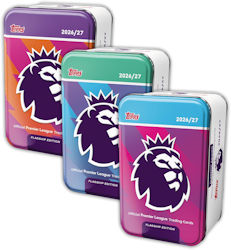
Topps Flagship Premier League 2026/27 Trading Cards Super Tin Bundle
The Super Tin Bundle contains all 3 Super Tins in the collection. Each Super Tin contains 50 cards including 3 On-Fire cards and 2 exclusive Blue Voltage parallels!
View product
World Club Football Records 2026
Fully revised and updated, World Club Football Records is a net-bulging collection of standout football records, stats and trivia from around the globe.
View productSee all Colchester United Football Club products
As an Amazon Associate I earn from qualifying purchases.