League Two
Rochdale
League Position Tracker
Last 5 Results
Rochdale Player Stats
Top 10 Attacking Players
#
Player
Goals
Assists
Points
1
B. Adeeko
1
0
3
2
C. Tasker
1
0
3
3
Ethan Ebanks-Landell
1
0
3
4
J. Smith
1
0
3
5
L. Hannant
1
0
3
6
D. Brown
0
1
1
7
E. Dieseruvwe
0
1
1
8
G. Middleton
0
1
1
9
Ryan East
0
1
1
Top 10 Disciplinary Records
#
Player
Yellow
Red
Points
1
Bryant Bilongo
2
1
4
2
E. Francis
2
1
4
3
H. Gilmour
2
0
2
4
B. Adeeko
1
0
1
5
D. Moss
1
0
1
6
Daniel Moss
1
0
1
7
G. Middleton
1
0
1
8
Kaiden Wilson
1
0
1
9
Luke Hannant
1
0
1
10
Nils Ramming
1
0
1
Introduction
Rochdale Football Club, affectionately known as "The Dale," is a professional football club based in Rochdale, Greater Manchester, England. Established in 1907, the club has built a reputation for tenacity and community spirit, being deeply rooted in the local area. Operating in the lower tiers of the English football league system, Rochdale has earned respect for its commitment to developing young talent and for maintaining a loyal fanbase.
History
Rochdale AFC was founded in 1907 by a group of local enthusiasts who aimed to create a football club that represented the town’s aspirations. Initially competing in the Combination league, the club secured a place in the Football League in 1921, where it has mostly remained since. Throughout its early years, Rochdale struggled to gain consistent success, but they did not lose their spirit, famously reaching the FA Cup Fourth Round on several occasions.
In the late 1960s and early 1970s, the club experienced a renaissance under manager Alan Brown, culminating in its first-ever promotion to the Third Division in 1969. This period marked the beginning of a more competitive era for Rochdale, echoing the ambitions that had led to its foundation.
Stadium
Rochdale’s home ground is the Crown Oil Arena, located in the heart of the town. Originally known as Spotland Stadium when it opened in 1921, it has undergone several renovations, most notably in the late 20th century. The stadium currently has a seating capacity of approximately 10,000. Unique features of the Crown Oil Arena include its picturesque setting beneath the Pennine hills and its close-knit atmosphere, making it a stronghold for the club’s dedicated supporters. The stadium is not only a venue for football matches but also hosts community events and functions, reinforcing its status as a community hub.
Achievements
Rochdale AFC has had several notable achievements throughout its history, although major silverware has been elusive. The club’s most significant triumph came in 1962 when they lifted the FA Trophy. However, the club’s consistent participation in the Football League over decades is commendable, showcasing its resilience and competitive spirit. The club has also had several notable FA Cup runs, reaching the quarter-finals on multiple occasions, highlighting their capacity to compete against higher-tier teams, making for memorable cup runs in club history.
Famous Players & Managers
Over the years, Rochdale has seen a variety of players and managers leave their mark. One of the most celebrated figures is Ian Henderson, who made a lasting impact during his time with the club, becoming one of their all-time leading goal-scorers. Another notable name is the legendary manager Keith Hill, who enjoyed two successful spells at the club, guiding them to notable league finishes and instilling a strong club ethos.
Many other players have made significant contributions to the club, reinforcing its reputation as a breeding ground for talent, with numerous alumni going on to enjoy successful careers elsewhere.
Supporters & Culture
Rochdale’s fanbase is known for its loyalty and passion. The supporters, often referred to as "Dale fans," foster a strong sense of community and have a deep connection to the club, often spanning generations. Matchdays at the Crown Oil Arena are vibrant affairs, where fans gather to cheer on their team, creating an atmosphere of camaraderie and shared purpose.
Rochdale has traditional rivalries, most notably with Bury and Oldham Athletic. Matches against these clubs draw significant attention and showcase the spirited, competitive nature of local football feuds. The club values inclusivity, engagement with local communities, and the promotion of youth talent, ensuring that it remains a pillar of the Rochdale community.
In summary, Rochdale Football Club stands as a testament to local pride and resilience in the realm of English football. With a rich history, a committed fanbase, and an ongoing dedication to the community, the club continues to be an essential aspect of the town of Rochdale and the wider football landscape.
Recommended Football Products
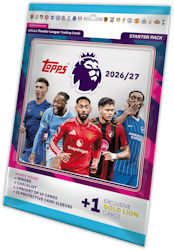
Topps Flagship Premier League 2026/27 Trading Cards Online Starter Pack
The Online exclusive Starter Pack is the perfect way to kick off your Topps Flagship Premier League 2026/27 collection, bringing together stars, rookies, inserts, and exciting chase cards in one accessible format.
View product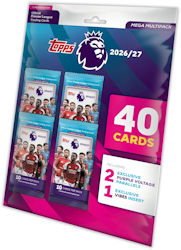
Topps Flagship Premier League 2026/27 Trading Cards Mega Multipack
The Mega Multupack contains 40 cards including 2 exclusive Purple Voltage parallels and an exclusive Vibes Insert.
View product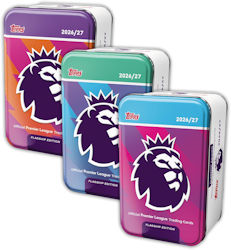
Topps Flagship Premier League 2026/27 Trading Cards Super Tin Bundle
The Super Tin Bundle contains all 3 Super Tins in the collection. Each Super Tin contains 50 cards including 3 On-Fire cards and 2 exclusive Blue Voltage parallels!
View productSee all Rochdale Football Club products
As an Amazon Associate I earn from qualifying purchases.