Championship
Queens Park Rangers
League Position Tracker
Last 5 Results
Queens Park Rangers Player Stats
Top 10 Attacking Players
#
Player
Goals
Assists
Points
1
I. Chair
2
1
7
2
R. Burrell
2
1
7
3
J. Dunne
1
0
3
4
K. Saito
1
0
3
5
P. Smyth
1
0
3
6
A. S. Mbengue
0
1
1
7
H. Vale
0
1
1
8
R. Edwards
0
1
1
9
T. Lamptey
0
1
1
Top 10 Disciplinary Records
#
Player
Yellow
Red
Points
1
J. Clarke-Salter
2
0
2
2
R. Edwards
2
0
2
3
G. Kamara
1
0
1
Introduction
Queens Park Rangers Football Club, commonly referred to as QPR, is a professional football club based in White City, London. Established in 1882, the club is known for its blue and white hooped shirts, reflecting its rich heritage and identity. Over the years, QPR has earned a reputation for its passionate fanbase and has become a significant part of the tapestry of English football, frequently oscillating between the top and lower tiers of the league system.
History
QPR was founded in 1882 when the Phoenix Football Club and the St. Jude’s Institute merged. The name "Queens Park Rangers" was adopted in 1886, representative of its origins in the Queens Park area of London. The club initially played local friendlies and joined the Southern League in 1893, eventually becoming a founding member of the Football League Third Division in 1920.
The 1960s marked a transformative period for QPR, under the management of Les Allen and later, the innovative tactics of Dave Sexton. The club enjoyed considerable success, culminating in their first major trophy—the Football League Cup—won in 1967 against West Bromwich Albion. This victory was pivotal, not only for the club’s stature but also for instilling a sense of belief among the players and supporters.
Stadium
QPR’s home ground is Loftus Road, located in White City. The stadium has a capacity of approximately 18,000, making it one of the smaller grounds in the English football league system. Despite its size, Loftus Road is renowned for its intimate atmosphere, with fans situated close to the pitch, creating a vibrant and engaging environment for spectators. The stadium has undergone various renovations over the years, modernising its facilities while preserving its historical charm. Noteworthy features of Loftus Road include its distinctive architecture and the distinctive overhead roofs, which enhance the crowd experience.
Achievements
Throughout its history, QPR has secured several major trophies. The highlight remains the club’s victory in the 1976 League Cup, where they triumphed 2-0 over the formidable 1976 Liverpool squad. Additionally, QPR achieved notable success by winning the Second Division title in 1968, marking their ascent to the top tier of English football.
In the late 1970s, the club was synonymous with flair and attacking football, which led to them finishing as runners-up in the First Division during the 1975-76 season. On the European front, QPR made its mark in the 1976 UEFA Cup, showcasing their talents on an international stage despite not progressing past the quarter-finals.
Famous Players & Managers
QPR has been home to numerous legendary players and managers who have left an indelible mark on the club. Notable figures include Stan Bowles, a charismatic and skilful forward known for his flair, who played during the 1970s and was a fan favourite. Another iconic player is Les Ferdinand, who became one of the club’s all-time leading goalscorers in the 1990s, later achieving recognition on the international stage.
Management-wise, the club has seen influential figures such as Jim Smith and Gerry Francis strengthen QPR’s competitive edge during their respective tenures. Smith’s era saw the club establish itself in the Premier League, while Francis’s tactical innovations helped develop homegrown talents.
Supporters & Culture
QPR boasts a diverse and dedicated fanbase, many of whom have remained loyal through the club’s ups and downs. Known for their strong sense of community, supporters often gather in historical pubs near the stadium, reinforcing the club’s local roots. Club traditions are celebrated, particularly on match days, creating an electric atmosphere.
Rivalries are a notable part of QPR’s culture, especially the fierce encounters with Chelsea and Fulham, which stem from geographical proximity. Matches against these clubs are highly anticipated, often drawing significant crowds and heightened emotions.
The club promotes values such as inclusivity, community engagement, and a commitment to developing young talent, exemplified by QPR’s extensive youth academy, which has produced several players of note over the years.
In conclusion, Queens Park Rangers Football Club’s rich history and ongoing legacy in English football continue to endear it to fans around the world, encapsulating the essence of community, passion, and sportsmanship.
Recommended Football Products
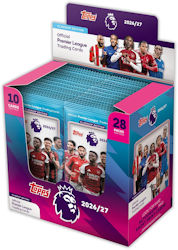
Topps Flagship Premier League 2026/27 Trading Cards Full Box
The Full Box contains 28 packets (10 cards per packet). Each box delivers the full Topps Flagship Premier League 2026/27 collecting experience, packed with stars, rookies, rare inserts, and exciting hits.
View product
World Club Football Records 2026
Fully revised and updated, World Club Football Records is a net-bulging collection of standout football records, stats and trivia from around the globe.
View product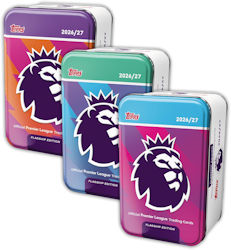
Topps Flagship Premier League 2026/27 Trading Cards Super Tin Bundle
The Super Tin Bundle contains all 3 Super Tins in the collection. Each Super Tin contains 50 cards including 3 On-Fire cards and 2 exclusive Blue Voltage parallels!
View productSee all Queens Park Rangers Football Club products
As an Amazon Associate I earn from qualifying purchases.