League One
Wigan Athletic
League Position Tracker
Last 5 Results
Wigan Athletic Player Stats
Top 10 Attacking Players
#
Player
Goals
Assists
Points
1
J. Weir
2
0
6
2
M. Power
1
1
4
3
A. Higgins
1
0
3
4
S. Perkins
1
0
3
5
B. Burrowes
0
1
1
6
D. Costelloe
0
1
1
Top 10 Disciplinary Records
#
Player
Yellow
Red
Points
1
D. Costelloe
1
0
1
2
F. Burns
1
0
1
3
J. Carragher
1
0
1
4
J. Mellish
1
0
1
5
J. Weir
1
0
1
6
M. Power
1
0
1
Introduction
Wigan Athletic Football Club, commonly referred to as Wigan or the Latics, is a professional football club located in Wigan, Greater Manchester, England. Founded in 1932, the club represents a strong community spirit and has garnered recognition for its resilience and competitive nature in English football. Known for their blue and white stripes, Wigan Athletic has developed a reputation for being a club that underlines hard work and dedication both on and off the pitch.
History
Wigan Athletic was established in September 1932 as a professional football club, originally formed to replace Wigan Borough, which had folded. The club joined the Football League in 1978, marking a significant step in its journey. Early growth was marked by a gradual ascent through the lower divisions, culminating in a noteworthy 1982-83 FA Cup run that put them on the national map.
One of the most significant moments in their history came in 1995 when Wigan won the Football Conference, achieving promotion to the Football League Third Division. This success laid the groundwork for further advancements, leading to promotions that would eventually see the club reach the Premier League in 2005. The journey from the lower tiers to the top flight showcased the club’s progressive ethos and ambition within English football.
Stadium
Wigan Athletic plays its home matches at the DW Stadium, located in Wigan. Opened in 1999, this modern venue replaced the club’s previous ground, Springfield Park. With a seating capacity of approximately 25,133, the stadium provides an intimate atmosphere for matches. Noteworthy features of the DW Stadium include its cantilever roof, which allows unobstructed views from all seating positions, and its community-focused design, integrating local amenities and facilities that encourage fan engagement.
Achievements
The club has achieved a number of notable successes throughout its history. Wigan Athletic’s most celebrated achievement came in 2013 when they won the FA Cup, defeating Manchester City in the final. This victory marked a historic moment for the club, making them the first team from outside the traditional top teams to win the cup in recent years.
In addition to their FA Cup triumph, Wigan Athletic secured the Football League Championship title in 2003 and won the League One title in both 2016 and 2018. The club has seen varying degrees of success in domestic league campaigns, furthering its reputation as a competitive force in English football.
Famous Players & Managers
Over the years, Wigan Athletic has been home to several renowned players and managers who have left a lasting impact on the club’s identity. Notable figures include Roberto Martinez, who managed the club from 2009 to 2013, leading them to their historic FA Cup victory. Players such as Emmerson Boyce, who captained the team during its Premier League days, and the talented midfielder Paul Scharner, have become club legends due to their dedication and performances on the pitch.
More recently, the club has seen emerging talents and experienced professionals donning the blue and white, contributing to the ongoing narrative of resilience and ambition associated with Wigan Athletic.
Supporters & Culture
Wigan’s fanbase is a vibrant and passionate community that plays a crucial role in the club’s identity. The supporters are known for their loyalty and unwavering support, regardless of the challenges faced by the team. Home matches at the DW Stadium are characterised by an electrifying atmosphere, with fans creating a sense of camaraderie and pride.
Wigan Athletic’s club values centre on community engagement and inclusivity, often collaborating with local initiatives and charities. The traditional rivalries, particularly with clubs like Blackburn Rovers and Bolton Wanderers, have ignited fierce competition over the years, further deepening the connection between the club and its supporters.
In summary, Wigan Athletic Football Club embodies the spirit of determination and community within the landscape of English football. With a rich history, a modern stadium, various achievements, and a passionate fanbase, the Latics continue to strive for success while remaining closely tied to their roots.
Recommended Football Products
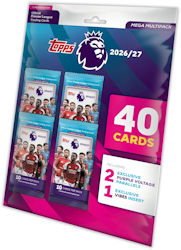
Topps Flagship Premier League 2026/27 Trading Cards Mega Multipack
The Mega Multupack contains 40 cards including 2 exclusive Purple Voltage parallels and an exclusive Vibes Insert.
View product
Topps Flagship Premier League 2026/27 Trading Cards Online Starter Pack
The Online exclusive Starter Pack is the perfect way to kick off your Topps Flagship Premier League 2026/27 collection, bringing together stars, rookies, inserts, and exciting chase cards in one accessible format.
View product
World Club Football Records 2026
Fully revised and updated, World Club Football Records is a net-bulging collection of standout football records, stats and trivia from around the globe.
View productSee all Wigan Athletic Football Club products
As an Amazon Associate I earn from qualifying purchases.