East Fife Football Club
Introduction
East Fife Football Club, nicknamed "The Fife," is a professional football club based in Methil, Fife, Scotland. Founded in 1903, the club boasts a rich history and a passionate local fanbase. East Fife competes in Scottish football, primarily within the lower leagues, and is known for its commitment to community and development. Their colours, black and gold, represent the club’s identity, and they take pride in their heritage and standing within Scottish football.
History
East Fife Football Club was established in 1903, emerging from the local sports club’s desire to form a dedicated football team. The club quickly found its footing in Scottish football and joined the Scottish Football League in 1905. Early growth was marked by the team’s entry into the senior ranks, and the club’s first major success came in the form of the Scottish Cup, which they won in 1906 by defeating Clyde, marking a significant milestone in their history.
Throughout the early to mid-20th century, East Fife experienced notable success, including their second Scottish Cup victory in 1923, which helped solidify their reputation within the Scottish football community. The club’s most prominent era came in the 1930s, when they managed to win multiple league titles, further embedding their legacy in the fabric of Scottish football.
Stadium
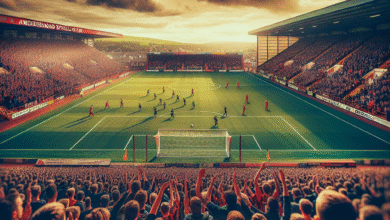
East Fife plays its home matches at Bayview Stadium, located in Methil. Opening in 1998, the stadium replaced the club’s former ground, the old Bayview Park, which had served them well since 1903. Bayview Stadium has a capacity of around 5,000 spectators, featuring modern facilities that enhance the matchday experience for fans. Unique aspects of the ground include its close proximity to the Firth of Forth, providing a scenic backdrop. The stadium’s design fosters an intimate atmosphere, allowing passionate home support to encourage their team.
Achievements
East Fife has an impressive trophy cabinet that reflects its successes over the decades. The club won the Scottish Cup twice, with victories in 1906 and 1923. In addition to their cup success, East Fife secured the Scottish League Division Two title multiple times, reinforcing their status in second-tier football, particularly during the 1950s and 1960s.
The club’s historical achievements include winning the second tier of Scottish football several times, despite fluctuating between divisions in subsequent years. Their most recent significant success came in the late 1990s and early 2000s when they returned to prominence within Scottish football.
Famous Players & Managers
East Fife has been home to numerous players and managers who have left an indelible mark on the club. Legendary forward Bobby McCulloch, who played for the club during the 1920s and 1930s, is one of the most celebrated figures in East Fife’s history. Another notable player is Alan Johnston, who had a significant impact both on the field and later as a manager.
As for managerial talent, Danny Wilson, who led the team to several successful campaigns in the 1960s, is remembered fondly for his contributions to the club’s strategies and development. These figures, among others, highlight East Fife’s tradition of nurturing talent and pursuing competitive success.
Supporters & Culture
The supporters of East Fife are deeply invested in the identity and values of the club. The fanbase is passionate, often creating a lively atmosphere during home matches at Bayview Stadium. Local pride plays a crucial role in the culture surrounding the club, enriching the connection between the team and the community.
Rivalries are an essential aspect of East Fife’s culture, most notably with Raith Rovers, another Fife-based team. Matches between these two sides, known as the Fife derby, attract significant attention and highlight the competitive spirit of the region.
The club’s ethos revolves around community engagement, youth development, and fostering a family-friendly environment, ensuring that East Fife F.C. remains a cornerstone of local life in Methil.
In summary, East Fife Football Club’s rich history, dedicated supporters, and commitment to the community make it a significant entity in Scottish football. With their robust heritage and passionate following, the club continues to strive for success on and off the pitch.
Recommended Football Products
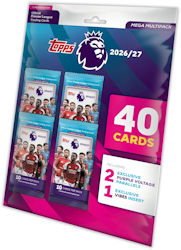
Topps Flagship Premier League 2026/27 Trading Cards Mega Multipack
The Mega Multupack contains 40 cards including 2 exclusive Purple Voltage parallels and an exclusive Vibes Insert.
View product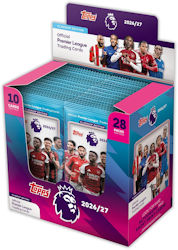
Topps Flagship Premier League 2026/27 Trading Cards Full Box
The Full Box contains 28 packets (10 cards per packet). Each box delivers the full Topps Flagship Premier League 2026/27 collecting experience, packed with stars, rookies, rare inserts, and exciting hits.
View product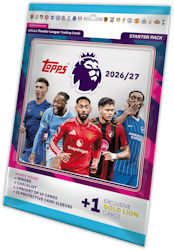
Topps Flagship Premier League 2026/27 Trading Cards Online Starter Pack
The Online exclusive Starter Pack is the perfect way to kick off your Topps Flagship Premier League 2026/27 collection, bringing together stars, rookies, inserts, and exciting chase cards in one accessible format.
View product
As an Amazon Associate I earn from qualifying purchases.