Clyde Football Club: A Profile
Introduction
Clyde Football Club, known simply as Clyde, is a professional football club based in Cumbernauld, North Lanarkshire, Scotland. Founded in 1877, the club has a rich history and has established a significant legacy within Scottish football. Known colloquially as "The Bully Wee," Clyde has a reputation for being a community-focused club with strong ties to its local area. The club’s colours are red and white, and its crest features a distinctive depiction of a man with a spade, reflecting its working-class roots.
History
Clyde Football Club was established on 2nd July 1877, primarily by a group of schoolboys from the local area. The name "Clyde" was inspired by the River Clyde, which runs through central Scotland. Initially, Clyde played friendly matches and entered the Scottish Cup in its inaugural season in 1879–80.
The club found early success, winning its first Scottish Cup in 1881, which marked the beginning of a competitive presence in Scottish football. As the years progressed, Clyde went through various phases, including a merger with another local club, and experienced fluctuating fortunes in both regional and national competitions. The club faced significant challenges in the 1990s and early 2000s, including financial difficulties, but has since restructured and rebuilt its foundation.
Stadium
Clyde plays its home matches at Broadwood Stadium, located in Cumbernauld. Officially opened in 1994, the stadium has a seating capacity of approximately 8,000. Broadwood is notable for its modern facilities and all-seater design, which includes a hospitality suite and well-equipped changing rooms. The stadium is unique in that it is shared with other sports, including athletics and rugby, reflecting the club’s commitment to providing a versatile venue for different types of activities. The accessibility and amenities have made it a popular choice for both supporters and visitors.
Achievements
Clyde has enjoyed various successes throughout its history, particularly in the early 20th century. The club has won the Scottish Cup on three occasions—most notably in 1909, 1927, and 1939. In addition to its cup successes, Clyde has secured the Scottish Football League Division One title several times, establishing itself as a competitive force in Scottish football. In recent years, Clyde has made its mark in lower league competitions and continues to strive for promotions to higher divisions.
Famous Players & Managers
Clyde Football Club has been home to numerous notable players and managers over the years. One of the club’s most legendary figures is John McCormack, who played for Clyde during the 1940s and went on to have a notable career in Scotland and beyond. Another celebrated player is Ian Ferguson, who spent several years with the club in the 1980s and is fondly remembered by fans.
The managerial position at Clyde has also seen influential figures, such as the iconic Jock Stein, who later rose to fame managing Celtic FC. Stein’s time at Clyde laid the groundwork for his impressive managerial career, showcasing the club as a nurturing ground for talent both on and off the pitch.
Supporters & Culture
Clyde has a passionate and dedicated fanbase that reflects the club’s working-class roots and community spirit. Supporters are known for their loyalty and engagement, often gathering at Broadwood Stadium to cheer on their team, creating an electric atmosphere during match days. Traditions such as pre-match gatherings and community events further strengthen the bond between the club and its supporters.
Rivalries play a significant role in the club’s culture, with matches against other Scottish clubs, particularly those from Lanarkshire, drawing intense local interest. "The Bully Wee" embodies a spirit of perseverance and camaraderie, with open values that encourage inclusivity and a sense of belonging among supporters.
In summary, Clyde Football Club represents both the historical context and vibrant community aspect of Scottish football. With a rich heritage and a commitment to its fans and local area, Clyde continues to be a respected name in the nation’s football landscape.
Recommended Football Products
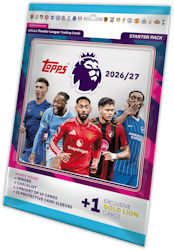
Topps Flagship Premier League 2026/27 Trading Cards Online Starter Pack
The Online exclusive Starter Pack is the perfect way to kick off your Topps Flagship Premier League 2026/27 collection, bringing together stars, rookies, inserts, and exciting chase cards in one accessible format.
View product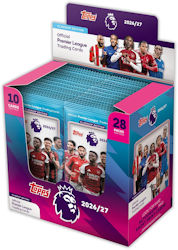
Topps Flagship Premier League 2026/27 Trading Cards Full Box
The Full Box contains 28 packets (10 cards per packet). Each box delivers the full Topps Flagship Premier League 2026/27 collecting experience, packed with stars, rookies, rare inserts, and exciting hits.
View product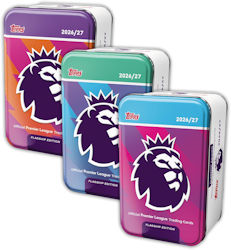
Topps Flagship Premier League 2026/27 Trading Cards Super Tin Bundle
The Super Tin Bundle contains all 3 Super Tins in the collection. Each Super Tin contains 50 cards including 3 On-Fire cards and 2 exclusive Blue Voltage parallels!
View product
As an Amazon Associate I earn from qualifying purchases.