Portadown Football Club: A Detailed Overview
Introduction
Portadown Football Club is a semi-professional football club based in the town of Portadown, Northern Ireland. Established in 1886, the club has cultivated a rich identity as a prominent figure in Irish football, characterised by its passionate fanbase and a legacy that reflects both regional pride and competitive spirit. Known colloquially as "The Ports," the club has built a reputation for its commitment to youth development and community engagement, symbolising not just a football team but a vital component of local culture.
History
Founded in 1886, Portadown Football Club is one of the oldest clubs in Northern Ireland. The club’s inception came during a transformative period for football in the region, resembling the broader rise of organised sport during the late 19th century. Initially a junior club, Portadown quickly rose through the ranks and became a member of the Irish League in 1890.
The early 20th century saw the club flourish, with various league and cup competitions enhancing its status. One of the pivotal moments in the club’s history occurred in the 1930s when they began to secure significant trophies, laying the groundwork for a tradition of success that would be built upon in subsequent decades.
Stadium
Portadown Football Club plays its home matches at the Shamrock Park stadium, located in central Portadown. Opened in 1924, the stadium has a current seating capacity of approximately 3,500. Shamrock Park is notable for its distinctive features, including a traditional grandstand that offers an intimate atmosphere for fans. The ground also benefits from modern facilities, having undergone various renovations over the years to improve infrastructure and enhance the matchday experience. Its location within the town provides easy access for local supporters, further solidifying its status as a community hub.
Achievements
Throughout its long history, Portadown has enjoyed a series of significant achievements. The club’s trophy cabinet includes multiple Irish League titles, with notable successes in the 1950s and 1980s when they secured premiership status. The club has also won the Irish Cup on several occasions, with one of its most memorable victories coming in 1980, which solidified its legacy in Northern Irish football.
In addition to league and cup successes, Portadown has made impressive runs in various regional competitions, prompting continued fanfare and community support. The club remains focused on achieving further success and is dedicated to promoting its burgeoning youth teams.
Famous Players & Managers
Portadown has been home to a number of legendary players and managers who have made substantial contributions to its history. Among these figures is Billy McCullough, a former player who later became an acclaimed manager, leading the team during their golden period in the late 20th century.
Other notable players include Gary McCutcheon, known for his goal-scoring abilities, and Darren Murphy, who was pivotal in various league campaigns. These individuals are celebrated not only for their sporting talents but also for their contributions to the club’s identity, inspiring loyalty among fans and future generations.
Supporters & Culture
The supporters of Portadown Football Club are known for their unwavering loyalty and passion. The club enjoys a dedicated fanbase that is actively involved in various community initiatives, reinforcing the club’s values of unity and solidarity. Match days at Shamrock Park are characterised by vibrant atmospheres, with chants and songs echoing throughout the ground, a testament to the deep-rooted traditions that define the club.
Rivalries, particularly with nearby teams such as Armagh City and Glenavon, add an extra layer of excitement to matches, igniting fervent support and local pride. Portadown’s ethos is built around community engagement, making the club a cornerstone of local identity and culture.
In summary, Portadown Football Club remains a significant institution within Northern Irish football, distinguished by its rich history, dedicated fanbase, and a commitment to the community. As the club continues to navigate the challenges of modern football, its legacy and influence in the region are set to endure for generations to come.
Recommended Football Products
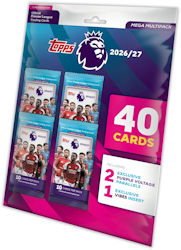
Topps Flagship Premier League 2026/27 Trading Cards Mega Multipack
The Mega Multupack contains 40 cards including 2 exclusive Purple Voltage parallels and an exclusive Vibes Insert.
View product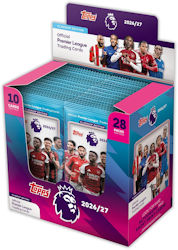
Topps Flagship Premier League 2026/27 Trading Cards Full Box
The Full Box contains 28 packets (10 cards per packet). Each box delivers the full Topps Flagship Premier League 2026/27 collecting experience, packed with stars, rookies, rare inserts, and exciting hits.
View product
World Club Football Records 2026
Fully revised and updated, World Club Football Records is a net-bulging collection of standout football records, stats and trivia from around the globe.
View product
As an Amazon Associate I earn from qualifying purchases.