Partick Thistle Football Club: An Overview
Introduction
Partick Thistle Football Club, commonly known as "Thistle," is a professional football club based in the suburb of Partick in Glasgow, Scotland. Established in 1876, the club is steeped in tradition and is identifiable by its distinctive red and yellow striped kits. Partick Thistle has built a solid reputation within Scottish football, known for its passionate fanbase and commitment to developing talent, making it a notable institution in the sport’s landscape.
History
Partick Thistle was founded in the late 19th century during a period of burgeoning interest in football in Scotland. The club initially took shape in 1876, formed by a group of local gentlemen, and played its first competitive match in 1877. Early growth saw Thistle join the Scottish Football Association in 1883 and later become a founding member of the Scottish Football League (SFL) in 1890.
The club’s first major success came in 1900 when it won the Scottish Cup for the very first time, a significant achievement that cemented its place in Scottish football history. Over the years, Thistle has experienced various highs and lows, including notable spells in both the top tier and lower divisions of Scottish football.
Stadium
Partick Thistle plays its home matches at Firhill Stadium, located in the north of Glasgow. Originally opened in 1902, the stadium has undergone several renovations to improve its facilities. With a current capacity of approximately 10,000, Firhill is known for its unique characteristic of featuring a low, covered stand that offers an intimate viewing experience for fans.
One of the stadium’s notable features is the Jags’ Wall, an impressive mosaic made of club memorabilia that celebrates the club’s rich history. Firhill is not just a venue for football; it has hosted various events, including concerts and public gatherings, reflecting its status as a community hub.
Achievements
Partick Thistle has a storied history filled with numerous achievements, including a significant triumph in the Scottish Cup in 1971 and the Scottish League Cup in 1971 and 2019. The club also enjoyed competitive success in the lower leagues, particularly noted for its promotion campaigns and challenges in the top flight.
In addition to cup successes, Thistle has been a consistent presence in the Scottish League and has seen periods of top-tier football, where they competed against some of Scotland’s most prestigious teams. Their passionate run in the early 1970s, marked by an impressive league standing, remains a highlight in the club’s storied past.
Famous Players & Managers
Over the decades, Partick Thistle has been home to several talented players and influential managers. Legends such as Alan Rough, a renowned goalkeeper of the 1970s, and striker Joe McBride, who was celebrated for his goal-scoring prowess, have etched their names in the club’s folklore.
Prominent managers, such as John Lambie, who returned to manage the club multiple times, have left a lasting impact on Thistle’s development and success. Lambie’s management, characterized by his ability to build strong, competitive squads, played a crucial role during both the late 20th and early 21st centuries.
Supporters & Culture
Partick Thistle boasts a dedicated and loyal fanbase known as the "Jags" supporters. The culture surrounding the club is one of inclusivity and community spirit, with fans actively engaging in various initiatives aimed at supporting local charities and community projects.
Rivalries, particularly with teams like Queen’s Park and Morton, underscore the competitive spirit between clubs in the Glasgow area. Match days at Firhill are marked by vibrant atmospheres, with supporters chanting and celebrating their team, further enhancing the club’s identity.
In conclusion, Partick Thistle Football Club continues to be an integral part of Scottish football, marked by a rich history, dedicated supporters, and a commitment to the community. Its organisational ethos and passion for the game ensure that it remains a beloved institution in the hearts of many fans both locally and beyond.
Recommended Football Products
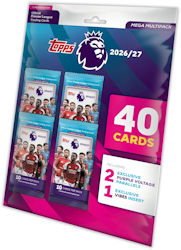
Topps Flagship Premier League 2026/27 Trading Cards Mega Multipack
The Mega Multupack contains 40 cards including 2 exclusive Purple Voltage parallels and an exclusive Vibes Insert.
View product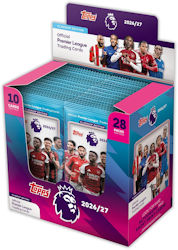
Topps Flagship Premier League 2026/27 Trading Cards Full Box
The Full Box contains 28 packets (10 cards per packet). Each box delivers the full Topps Flagship Premier League 2026/27 collecting experience, packed with stars, rookies, rare inserts, and exciting hits.
View product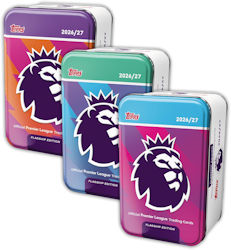
Topps Flagship Premier League 2026/27 Trading Cards Super Tin Bundle
The Super Tin Bundle contains all 3 Super Tins in the collection. Each Super Tin contains 50 cards including 3 On-Fire cards and 2 exclusive Blue Voltage parallels!
View productAs an Amazon Associate I earn from qualifying purchases.