League Two
Newport County
League Position Tracker
Last 5 Results
Newport County Player Stats
Top 10 Attacking Players
#
Player
Goals
Assists
Points
1
S. Gwengwe
2
0
6
2
Shaquille Gwengwe
2
0
6
3
H. Biggins
1
1
4
4
Harrison Biggins
1
1
4
5
Yahya Bamba
1
1
4
6
C. Doidge
1
0
3
7
Cole Jarvis
1
0
3
8
Kyle Cameron
1
0
3
9
Christian Doidge
0
2
2
10
Alfie Merritt
0
1
1
Top 10 Disciplinary Records
#
Player
Yellow
Red
Points
1
M. Dibley-Dias
2
0
2
2
A. Merritt
1
0
1
3
Alfie Merritt
1
0
1
4
C. Doidge
1
0
1
5
C. Evans
1
0
1
6
C. Norman
1
0
1
7
Ciaran Brennan
1
0
1
8
J. Thomas
1
0
1
9
Lee Jenkins
1
0
1
Introduction
Newport County Football Club, often simply known as Newport County, is a professional football club based in Newport, Wales. Established in 1912, the club has forged a distinct identity within the footballing landscape of the United Kingdom. Commonly known as "The Exiles," Newport County plays its home matches at Rodney Parade, a venue that has become synonymous with the club’s long-standing traditions and community spirit. Over the years, Newport County has earned a reputation for its resilience and passionate support, making it a staple in both Welsh and English football.
History
Newport County was founded in 1912 as a response to the growing popularity of football in the local area. Initially formed as Newport AFC, the club changed its name to Newport County in 1920. The early years were marked by participation in local leagues, but by the mid-1920s, the club had joined the Southern League. A significant moment in the club’s history came in 1927 when they were elected to the Football League as a Second Division team.
The club faced various challenges through the decades, including financial difficulties in the 1980s that nearly led to its dissolution. However, the resilience of the club and its supporters prevailed, leading to a reformation in 1989 and a slow but steady climb back through the ranks of English football.
Stadium
Newport County plays its home matches at Rodney Parade, a historic stadium located in the heart of Newport. Originally opened in 1877, the stadium has undergone numerous renovations and expansions to accommodate its evolving fanbase and modern requirements. With a capacity of approximately 8,000, Rodney Parade features a unique configuration, ensuring an intimate atmosphere during matches. Notably, the ground has also hosted rugby union games, making it a multi-sport venue and a significant part of Newport’s sporting heritage.
Achievements
Over the course of its history, Newport County has enjoyed several notable achievements. The club’s most significant success came in the 1980s when they reached the FA Cup quarter-finals on multiple occasions, showcasing their ability to compete against higher-division teams. Newport County’s triumph in the Welsh Cup further solidified their status, with multiple victories in the tournament, allowing them access to European competitions.
In 2013, the club celebrated a historic achievement by securing promotion to the Football League after a significant absence of 25 years. Their promotion to League Two marked a new era of stability and growth, with the club continuing to build on its successes and engage with its community.
Famous Players & Managers
Throughout its history, Newport County has been home to several legendary figures who have left a lasting impact on the club. Notable players include Ian McFarlane and John Charles, who dazzled fans with their skills and professionalism. More recently, players like Justin Edinburgh and Robbie Willmott made their marks during pivotal times for the club.
On the managerial front, legends such as the late Justin Edinburgh, who led Newport County to the Football League return and instilled a sense of pride and identity, remain prominent in the club’s history. Their leadership and vision have helped shape Newport County into a formidable force at various times throughout its storied existence.
Supporters & Culture
The fanbase of Newport County is known for its unwavering loyalty and passionate support. The club’s supporters, often referred to as "The Exiles," embody a deep-rooted community spirit and a sense of belonging that transcends generations. Match days at Rodney Parade are marked by colourful displays, songs, and traditions that create an electrifying atmosphere.
Rivalries play an integral role in the club’s culture, particularly with neighbouring clubs like Cardiff City and Swansea City, which only intensifies the excitement during match days.
Newport County fosters values of inclusivity and community engagement, encapsulating the spirit of Welsh football. As a member of the English Football League, the club continues to strive for competitive success while maintaining strong ties to its roots, making Newport County a revered institution in both local and national contexts.
Recommended Football Products

World Club Football Records 2026
Fully revised and updated, World Club Football Records is a net-bulging collection of standout football records, stats and trivia from around the globe.
View product
Topps Flagship Premier League 2026/27 Trading Cards Mega Multipack
The Mega Multupack contains 40 cards including 2 exclusive Purple Voltage parallels and an exclusive Vibes Insert.
View product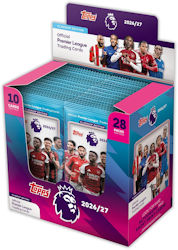
Topps Flagship Premier League 2026/27 Trading Cards Full Box
The Full Box contains 28 packets (10 cards per packet). Each box delivers the full Topps Flagship Premier League 2026/27 collecting experience, packed with stars, rookies, rare inserts, and exciting hits.
View productSee all Newport County Football Club products
As an Amazon Associate I earn from qualifying purchases.