Premier League
Leeds United
League Position Tracker
Last 5 Results
Leeds United Player Stats
Top 10 Attacking Players
#
Player
Goals
Assists
Points
1
Anton Stach
1
0
3
2
Dominic Calvert-Lewin
1
0
3
3
Jayden Bogle
1
0
3
4
Lukas Nmecha
0
1
1
5
Tanaka Ao
0
1
1
Top 10 Disciplinary Records
#
Player
Yellow
Red
Points
1
Dominic Calvert-Lewin
2
0
2
2
Harry Wilson
1
0
1
3
Jayden Bogle
1
0
1
Introduction
Leeds United Football Club, founded in 1919, is one of the most storied football clubs in England, with a rich history and an unwavering fanbase. Based in Leeds, West Yorkshire, the club has carved out a formidable reputation in English football, known for its passionate supporters and its enduring commitment to the beautiful game. The club’s colours are white, blue, and yellow, with its crest symbolising a strong connection to both the city and the club’s historical roots.
History
Leeds United was formed following the disbandment of Leeds City F.C. due to financial irregularities. Originally starting in the Second Division, the club quickly rose through the ranks. Under the management of legendary figures such as Don Revie, who took charge in 1961, Leeds United became a powerhouse in English football during the late 1960s and early 1970s, culminating in their first league title in 1969. The club’s history is a tapestry of ups and downs, including periods of great success interspersed with challenges, including relegation from the Premier League in the early 2000s.
Stadium
Leeds United plays its home matches at Elland Road, a venue steeped in history since it opened in 1897. Located just a mile south of Leeds city centre, the stadium has undergone several renovations and expansions over the years. As of its latest designs, Elland Road has a seating capacity of approximately 37,000, making it one of the largest in the country. Unique features of the stadium include its distinctive architecture and the iconic South Stand, which houses some of the most fervent fans. The club’s commitment to maintaining and upgrading the stadium reflects its ambition and respect for its heritage.
Achievements
Leeds United’s trophy cabinet is impressive, showcasing a range of accolades, including three English league titles, with victories in 1969, 1974, and 1992. The club has also secured the FA Cup in 1972, and notable victories in the League Cup and Community Shield have added to their list of honours. Internationally, Leeds was a finalist in the UEFA Champions League in 1975, demonstrating the club’s stature on the European stage. Such successes have solidified Leeds United’s reputation as a historic and competitive force in English football.
Famous Players & Managers
Leeds United has been home to numerous legendary figures who have left an indelible mark on the club. Among the most notable players is Billy Bremner, a tenacious midfielder and club captain, who became a symbol of the club’s fighting spirit during the Revie era. Other famous players include Peter Lorimer, whose powerful shooting made him a prolific scorer in the club’s history, and Eric Cantona, who would go on to achieve great success with Manchester United. The managerial legacy of Don Revie is unparalleled; his innovative tactics and strong leadership not only brought significant success but also established a winning culture that still resonates with the club today.
Supporters & Culture
The fanbase of Leeds United is renowned for its unwavering loyalty and passion. Known as the "Peacocks" or "Whites," supporters are often seen passionately cheering on their team, creating an electrifying atmosphere at Elland Road. The club has a rich tradition of community involvement, with initiatives aimed at fostering local engagement and social responsibility. Leeds has fierce rivalries, particularly with Manchester United and Chelsea, which often lead to intense encounters on the pitch, further fuelling the club’s vibrant culture. Core values such as resilience, community, and pride characterise the ethos of Leeds United, making it not just a football club but a symbol of local identity.
In conclusion, Leeds United Football Club is a cornerstone of English football, representing not only the city of Leeds but also the enduring spirit of its supporters. With its rich history, passion, and ambition, the club continues to attract attention on both domestic and international stages. As it navigates the future, Leeds United remains a significant player in the world of football, rooted in its proud heritage.
Recommended Football Products
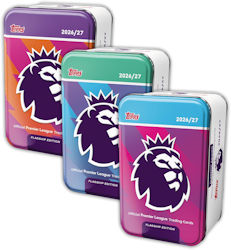
Topps Flagship Premier League 2026/27 Trading Cards Super Tin Bundle
The Super Tin Bundle contains all 3 Super Tins in the collection. Each Super Tin contains 50 cards including 3 On-Fire cards and 2 exclusive Blue Voltage parallels!
View product
World Club Football Records 2026
Fully revised and updated, World Club Football Records is a net-bulging collection of standout football records, stats and trivia from around the globe.
View product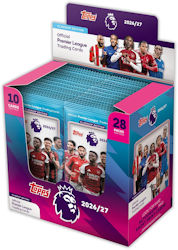
Topps Flagship Premier League 2026/27 Trading Cards Full Box
The Full Box contains 28 packets (10 cards per packet). Each box delivers the full Topps Flagship Premier League 2026/27 collecting experience, packed with stars, rookies, rare inserts, and exciting hits.
View productSee all Leeds United Football Club products
As an Amazon Associate I earn from qualifying purchases.