Barrow Football Club: A Comprehensive Profile
Introduction
Barrow Football Club, established in 1901, is a professional football club based in the town of Barrow-in-Furness, Cumbria, England. The club’s identity is deeply intertwined with its local community, representing the town’s rich industrial heritage and passionate spirit. Barrow’s reputation in English football is marked by its storied history and resilient character, having navigated various challenges over the decades. The club plays its home matches at Holker Street, offering an intimate atmosphere for its dedicated supporters.
History
Barrow FC was founded on 2nd May 1901, initially playing in local leagues before joining the Lancashire Combination in 1906. The club’s growth was gradual but significant during the early 20th century, eventually securing membership in the Football League in 1921. Their first notable success came in the 1929-30 season, when they finished as runners-up in the Third Division North, a crucial stepping stone for future advancement.
The club experienced fluctuations between different football divisions, peaking in the 1960s and 1970s when they achieved a higher profile under manager Bob Stokoe. However, consistent challenges in maintaining a competitive squad led to relegations. Over the years, the club has seen various league changes, with notable periods of financial hardship that threatened its existence.
In 2019, Barrow achieved a significant milestone by winning the National League, returning to the Football League after a 48-year hiatus. This victory was celebrated not just for the achievement itself but also as a symbol of the club’s perseverance and dedication through adversities.
Stadium
Holker Street, the club’s home ground, is located in Barrow-in-Furness and has a seating capacity of 5,000. The stadium is known for its distinct red and white structures, reflecting the club’s colours. Unique features include the covered stands and a prominent social club, which fosters a community spirit among fans on match days. The history embedded within Holker Street is palpable, as it has witnessed countless memorable moments and matches, embodying the club’s evolution over the years.
Achievements
Barrow FC has had its share of achievements throughout its history. The club’s notable honors include winning the FA Trophy in 1990 and 2010, showcasing their capability in knockout competitions. The crowning glory of recent years was their triumphant return to the Football League after 48 years away, reinforcing their place in the professional landscape of English football. Historically, their highest league finish was in the 1966-67 season when they placed 4th in the Third Division.
In addition to these successes, Barrow has also enjoyed competitive runs in various cup competitions, illustrating its ability to punch above its weight in knockout scenarios.
Famous Players & Managers
Throughout its history, Barrow FC has been home to several notable players and managers. Among them, former striker Gilbert Drennan, who scored 114 goals between 1950 and 1962, is often remembered as a club legend. Additionally, manager Bob Stokoe, who led the club during its successful 1960s period, left an indelible mark on Barrow’s development.
The club has also produced players who have gone on to have significant careers elsewhere, contributing to its reputation as a breeding ground for talent. These figures remain embedded in the club’s identity and inspire future generations to don the blue and white stripes.
Supporters & Culture
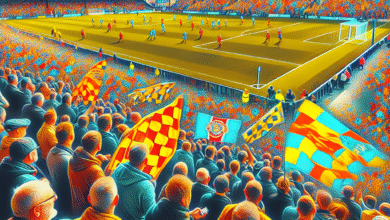
Barrow’s fanbase reflects the town’s close-knit community spirit. The supporters are a mix of local residents and die-hard fans who travel wherever the club competes. Match days at Holker Street are characterised by enthusiastic chants, local traditions, and a warmth that exemplifies the pride the supporters feel for their club.
Rivalries play a vital role in shaping the club’s culture, particularly with teams like Morecambe and Carlisle United, which heightens the excitement around local derbies. The club fosters values such as community engagement, resilience, and inclusivity, making it not just a football club, but a key pillar of local identity for Barrow-in-Furness.
Barrow Football Club continues to charm its supporters with a rich history and an unwavering spirit, remaining a beloved fixture in the English football landscape.