Connah’s Quay Nomads Football Club Profile
Introduction
Connah’s Quay Nomads Football Club, often referred to simply as the Nomads, is a professional football club based in Connah’s Quay, Flintshire, Wales. Established in 1946, the club has built a solid reputation within Welsh football, competing at the highest levels of the Cymru Premier League. The Nomads are known for their community-driven ethos and commitment to youth development, making them a pivotal part of the local sporting landscape.
History
Founded in 1946, Connah’s Quay Nomads initially started as a local amateur club, playing in regional leagues. The club’s early years were marked by steady development, with successes in the Welsh football pyramid. In 2013, the team was rebranded from Connah’s Quay and became known as Connah’s Quay Nomads as part of a strategic move to elevate their status and broaden their appeal.
Key historical moments include their promotion to the Cymru Premier in 1995, which marked their entry into top-tier Welsh football. The club faced a series of ups and downs but slowly carved out a reputation as a competitive force in Welsh football, achieving regular participation in European competitions from the late 2010s onwards.
Stadium
Connah’s Quay Nomads play their home matches at the Deeside Stadium, situated in the nearby town of Deeside. This venue, with a seating capacity of approximately 4,000, has been the club’s home since 1990. Unique features of the stadium include its all-seater configuration and modern amenities, which enhance the spectator experience for home and away fans alike. The club’s investment into stadium facilities reflects its commitment to growing the fanbase and developing its infrastructure.
Achievements
The Nomads have enjoyed a number of significant successes in Welsh football. Their major achievements include multiple appearances in the UEFA Europa League and notable cup victories. The club won the Welsh Cup in 2013 and had significant league success in recent years, finishing high in the Cymru Premier standings and establishing themselves as consistent contenders for silverware. The Nomads have also been integral in promoting Welsh football on an international level, with their European campaigns providing valuable experience and exposure.
Famous Players & Managers
Over the years, Connah’s Quay Nomads have been home to several notable players and managers who have made significant contributions to the club’s history. Among the legendary figures associated with the club is manager Andy Morrison, who played a pivotal role in transforming the team’s fortunes, leading them to silverware and European qualifications. His leadership has been instrumental in fostering a winning mentality at the club.
In terms of players, individuals such as Michael Wilde, a prominent forward, have left a lasting legacy with their exceptional performances. Wilde, renowned for his goal-scoring abilities, has become a fan favourite during his time at the club. In recent years, several emerging talents from the club’s youth academy have also drawn attention, showcasing the Nomads’ commitment to nurturing local talent.
Supporters & Culture
The support for Connah’s Quay Nomads is deeply ingrained in the community, with a dedicated fanbase that passionately follows the team. The club prides itself on being family-friendly and accessible, promoting an inclusive atmosphere for all supporters. Matchdays are characterised by a vibrant atmosphere, characterised by chants and songs that echo the pride of local supporters.
Rivalries play a key role in the culture of the club, with matches against local rivals offering intense contests. The fixture against The New Saints, known as the "Battle of the Saints," often garners particular attention, as both clubs vie for supremacy in Welsh football.
The Nomads are also committed to community values, engaging in various initiatives aimed at promoting youth participation in sports, making them not just a football club, but a vital part of the Connah’s Quay community.
Conclusion
Connah’s Quay Nomads Football Club stands as a prominent fixture in Welsh football history, blending tradition with modernity. From its roots in the post-war era to its current status in the Cymru Premier and European competitions, the club exemplifies determination, growth, and a deep connection to its community, ensuring its place in the annals of Welsh sporting heritage.
Recommended Football Products
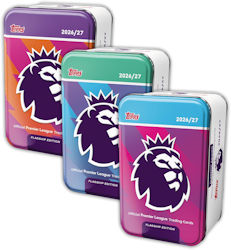
Topps Flagship Premier League 2026/27 Trading Cards Super Tin Bundle
The Super Tin Bundle contains all 3 Super Tins in the collection. Each Super Tin contains 50 cards including 3 On-Fire cards and 2 exclusive Blue Voltage parallels!
View product
Topps Flagship Premier League 2026/27 Trading Cards Online Starter Pack
The Online exclusive Starter Pack is the perfect way to kick off your Topps Flagship Premier League 2026/27 collection, bringing together stars, rookies, inserts, and exciting chase cards in one accessible format.
View product
Topps Flagship Premier League 2026/27 Trading Cards Mega Multipack
The Mega Multupack contains 40 cards including 2 exclusive Purple Voltage parallels and an exclusive Vibes Insert.
View product
As an Amazon Associate I earn from qualifying purchases.