Crusaders Football Club: A Comprehensive Overview
Introduction
Crusaders Football Club, commonly referred to as Crusaders, is a prominent football club based in Belfast, Northern Ireland. Established in 1898, the club has developed a rich identity rooted in local culture and tradition. Known for its striking red and white colours, Crusaders holds an esteemed reputation in Northern Irish football, often competing at the highest levels of the sport both domestically and in European competitions.
History
Founded in 1898 by a group of local enthusiasts, Crusaders Football Club quickly made its presence felt in the amateur leagues. The club’s early years were marked by participation in regional competitions, and it wasn’t long before they began to find success on the pitch. A key historical moment came in 1907 when the club joined the Irish League, which marked the start of its professional journey.
The club experienced significant growth during the 1950s and 1960s when they secured their first league title in 1949. This era was critical for establishing Crusaders as a competitive force in Northern Irish football. Over the decades, the club has navigated various challenges and triumphs, evolving into a mainstay within the Irish Premiership.
Stadium
Crusaders plays its home matches at Seaview Stadium, located in the north of Belfast. Opened in 1997 after the club’s need for an upgraded home ground, Seaview boasts a capacity of approximately 3,800 spectators, making it a compact yet vibrant venue. The stadium features modern facilities and is noted for its enthusiastic and loyal fanbase, creating an electric atmosphere on match days. Unique features of Seaview include the memorial garden dedicated to past players, which adds a poignant historical touch to the stadium.
Achievements
Crusaders Football Club has enjoyed a substantial level of success throughout its history. The club has clinched multiple league titles, with its most successful period occurring from the late 20th to early 21st century. Notable achievements include winning the Irish League title numerous times, alongside multiple victories in the Irish Cup. The club has also participated in various European competitions, representing Northern Ireland on the continental stage.
Their triumph in the UEFA Europa League has solidified Crusaders’ status as a formidable opponent in European tournaments, often providing thrilling moments that resonate with both supporters and neutrals alike.
Famous Players & Managers
Over the years, Crusaders has been home to several legendary figures who have significantly influenced the club’s trajectory. Players such as Gary McCartney, who made a notable impact during his time at the club, and the likes of Peter McMahon, have etched their names in Crusaders’ history. The management has also seen influential figures, with successful managers like Stephen Baxter, who has played a pivotal role in the club’s development and achievements in the modern era.
These individuals have contributed not only to the club’s on-field successes but also to creating a strong identity and connection with the fanbase.
Supporters & Culture
The supporters of Crusaders Football Club represent a diverse and passionate community, deeply rooted in the local culture of Belfast. The club’s fanbase is known for its unwavering loyalty and vibrant atmosphere during home matches. Traditional chants and songs echo throughout Seaview, fostering a sense of unity and pride among supporters.
Crusaders enjoys rivalries with several clubs, most notably with Cliftonville, resulting in fiercely contested matches that capture the attention of fans across Northern Ireland. The culture surrounding the club is marked by values of community engagement, sportsmanship, and a commitment to developing young talent, reflecting a deep commitment to both football and the local community.
In conclusion, Crusaders Football Club stands as a pillar of Northern Irish football, with a rich history, a dedicated fanbase, and a commitment to excellence both on and off the pitch. As the club continues to evolve, its legacy and impact on the sport remain undeniable, ensuring it is remembered as a cornerstone of football in Northern Ireland.
Recommended Football Products
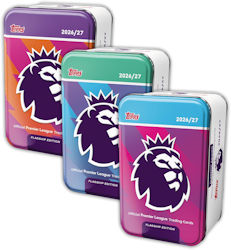
Topps Flagship Premier League 2026/27 Trading Cards Super Tin Bundle
The Super Tin Bundle contains all 3 Super Tins in the collection. Each Super Tin contains 50 cards including 3 On-Fire cards and 2 exclusive Blue Voltage parallels!
View product
World Club Football Records 2026
Fully revised and updated, World Club Football Records is a net-bulging collection of standout football records, stats and trivia from around the globe.
View product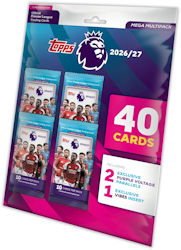
Topps Flagship Premier League 2026/27 Trading Cards Mega Multipack
The Mega Multupack contains 40 cards including 2 exclusive Purple Voltage parallels and an exclusive Vibes Insert.
View product
As an Amazon Associate I earn from qualifying purchases.