
Cliftonville Football Club Profile
Introduction
Cliftonville Football Club, known simply as Cliftonville, is a football club based in Belfast, Northern Ireland. Established in 1879, it is one of the oldest football clubs in Ireland and has a rich history intertwined with the traditions of Northern Irish football. The club’s identity is closely linked to its vibrant community and passionate supporters, maintaining a reputation as a cornerstone of the local sports culture.
History
Cliftonville was founded on 24th May 1879, primarily by members of the Cliftonville Cricket Club, with the aim of expanding sports activities in the area. The club initially participated in various local leagues before becoming a key player in the formation of the Irish Football Association in the 1880s.
Throughout the late 19th and early 20th centuries, Cliftonville experienced significant growth, joining the Irish Football League in 1890. The club quickly established itself as a competitive force, winning its first league title in 1892. The early years were marked by a fierce rivalry with local opponents, particularly with Linfield, which would later become one of the most notable fixtures in Northern Irish football.
Key historical moments for Cliftonville include the club’s numerous league title wins, particularly during the 1970s and 1980s, a period which saw an increase in both popularity and success. Their achievements during these decades laid the foundation for the club’s future, solidifying its place in Irish football.
Stadium
Cliftonville’s home ground is Solitude Stadium, located in the North Belfast area. The stadium, which opened in 1903, has a capacity of approximately 5,000 spectators. Solitude is known for its unique charm, featuring a traditional layout that includes a single stand, alongside grass banks that provide a picturesque view for fans. The ground has undergone several renovations over the years, enhancing facilities while preserving its historical essence. It also boasts an impressive record of hosting international matches, contributing to the club’s legacy in Northern Irish football.
Achievements
Cliftonville has a storied history of success, accumulating numerous trophies throughout the years. The club has won the Irish League title numerous times, with notable seasons including their triumphs in the 1970s and 1980s. In addition to league success, Cliftonville has also secured the Irish Cup multiple times, further establishing itself as a dominant force in Northern Irish football.
The 2013-14 season marked a significant achievement as Cliftonville became the first club in over a decade to win three consecutive Irish League trophies, showcasing their prowess in domestic competition. The club’s commitment to maintaining a competitive edge ensures that it remains a force within the league.
Famous Players & Managers
Over the years, Cliftonville has been home to several legendary figures who have left an indelible mark on the club. Players such as George McCullough, who made his name during the mid-20th century, and more recent stars like Chris Scannell, have played essential roles in the club’s history.
In terms of managerial talent, figures like Tommy Breslin, who enjoyed success during his tenure in the 2010s, have been instrumental in shaping the club’s fortunes. Breslin’s leadership saw Cliftonville achieve remarkable success both in domestic competitions and on the European stage, illustrating the impact of strong management on the club’s legacy.
Supporters & Culture
Cliftonville’s fanbase is known for its unwavering loyalty and passionate support. The club enjoys a dedicated following, with supporters often referred to as “The Reds,” reflecting the club’s colours. The culture surrounding the club is steeped in tradition, with game days being a communal event that unites fans from various backgrounds.
The rivalry with Linfield and other local clubs adds a layer of intensity to match days, often drawing large crowds and creating an electric atmosphere. Values such as community, pride, and resilience are deeply ingrained within the club’s identity, fostering a sense of unity among supporters.
In conclusion, Cliftonville Football Club stands as a pillar of Northern Irish football. With its rich history, proud achievements, and dedicated fanbase, the club continues to be a significant player in the sport, resonating with the local community and remaining a vital part of Belfast’s cultural fabric.
Recommended Football Products
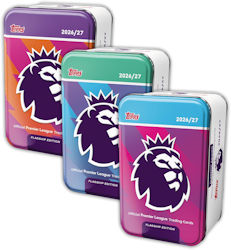
Topps Flagship Premier League 2026/27 Trading Cards Super Tin Bundle
The Super Tin Bundle contains all 3 Super Tins in the collection. Each Super Tin contains 50 cards including 3 On-Fire cards and 2 exclusive Blue Voltage parallels!
View product
World Club Football Records 2026
Fully revised and updated, World Club Football Records is a net-bulging collection of standout football records, stats and trivia from around the globe.
View product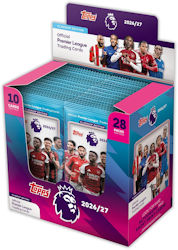
Topps Flagship Premier League 2026/27 Trading Cards Full Box
The Full Box contains 28 packets (10 cards per packet). Each box delivers the full Topps Flagship Premier League 2026/27 collecting experience, packed with stars, rookies, rare inserts, and exciting hits.
View product
As an Amazon Associate I earn from qualifying purchases.


