The National League
Yeovil Town
League Position Tracker
Last 5 Results
Introduction
Yeovil Town Football Club, often simply referred to as Yeovil Town, is a professional football club based in Yeovil, Somerset, England. Established in 1895, Yeovil Town has developed a proud identity, often celebrated for its resilience and strong community ties. The club competes in the English football league system and has built a reputation for being a formidable force in lower-tier football, known for its spirited performances and committed fanbase.
History
Founded in 1895 as Yeovil Casuals, the club’s early years were characterised by grassroots football, predominantly in local leagues. The team underwent several transformations, including its name change to Yeovil Town in 1919. The post-World War II period marked a significant turning point, as Yeovil Town began to rise through the ranks of non-league football. A notable historical moment came in 1949 when the club became the first non-league team to win the FA Cup, defeating Sunderland in the third round. This achievement not only solidified the club’s reputation but also attracted the attention of larger footballing circles.
In the following decades, Yeovil Town continued its ascent, securing a position in the Football League in 2003 after a successful spell in the Conference. The club’s promotion journey showcased its sturdy work ethic and community support, establishing it as a symbol of pride in the Somerset region.
Stadium
Yeovil Town calls Huish Park its home, located on the outskirts of Yeovil. Opened in 1990, the stadium boasts a seating capacity of approximately 9,565, making it one of the larger venues at the lower levels of English football. Huish Park features four stands: the Thompson & Jefford Stand, the Screwfix Stand, the Huish Stand, and the Away Stand. The ground is well-equipped with modern facilities and has undergone various improvements over the years to enhance the matchday experience. Unique to Huish Park is its picturesque backdrop of the rolling Somerset hills, creating a charming atmosphere for fans and visitors alike.
Achievements
Yeovil Town’s achievements are a testament to the club’s determination and spirit. The pinnacle of its success includes winning the FA Trophy in 2002, which was followed by promotion to the Football League in 2003. The club further celebrated its ascent by winning the League Two title in the 2004-2005 season, which marked its first-ever journey into League One. In 2013, Yeovil Town earned a place in the Championship after a triumphant campaign, making them the first team to progress from the Conference to the Championship in successive seasons. This accomplishment remains a significant highlight in the club’s history, demonstrating its potential to compete at higher levels.
Famous Players & Managers
Throughout its history, Yeovil Town has been home to several notable players and managers, who have left indelible marks on the club. Legendary figures include striker Terry Skiverton, who produced remarkable performances during his playing days and later transitioned to coaching. Additionally, manager Gary Johnson played a crucial role in spearheading the club’s rise during the mid-2000s, leading the team to numerous successes, including the League Two title. The contributions of these individuals have transcended their time at the club and are often celebrated by fans.
Supporters & Culture
Yeovil Town’s fanbase is defined by its loyal and passionate supporters, who have cultivated a rich club culture over the years. The Glovers, as they are affectionately known, enjoy a strong community spirit, with local residents actively engaging in club events and initiatives. Matchdays at Huish Park are characterised by infectious enthusiasm, as fans come together to support their team, creating a vibrant atmosphere.
The club has several rivalries, most notably with nearby sides, such as Bristol City and Exeter City. These encounters often garner heightened emotions and are significant fixtures in the club’s calendar. The club prides itself on fostering values of inclusivity and community, encouraging fan participation and maintaining a family-friendly environment.
In summary, Yeovil Town Football Club stands as a testament to the enduring spirit of grassroots football. With a rich history, a dedicated fanbase, and significant achievements, the club continues to thrive and represent the values of its community.
Recommended Football Products

World Club Football Records 2026
Fully revised and updated, World Club Football Records is a net-bulging collection of standout football records, stats and trivia from around the globe.
View product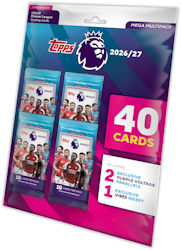
Topps Flagship Premier League 2026/27 Trading Cards Mega Multipack
The Mega Multupack contains 40 cards including 2 exclusive Purple Voltage parallels and an exclusive Vibes Insert.
View product
Topps Flagship Premier League 2026/27 Trading Cards Online Starter Pack
The Online exclusive Starter Pack is the perfect way to kick off your Topps Flagship Premier League 2026/27 collection, bringing together stars, rookies, inserts, and exciting chase cards in one accessible format.
View product
As an Amazon Associate I earn from qualifying purchases.