Edinburgh City Football Club: A Comprehensive Profile
Introduction
Edinburgh City Football Club, known simply as Edinburgh City, is a Scottish football club located in the capital city of Edinburgh. Established with a commitment to professionalism and community engagement, the club is often seen as a cornerstone of local footballing culture. The team’s identity weaves together the rich tapestry of Scottish football, embodying both historical significance and a forward-looking approach to the sport. Traditionally donning a striking black and white kit, Edinburgh City has earned a reputation for resilience and determination on the pitch.
History
Founded in 1966, Edinburgh City emerged from the ashes of the now-defunct Edinburgh North Football Club. The club’s inception was driven by local enthusiasts keen on fostering community spirit through football. Initially, Edinburgh City competed in the lower tiers of Scottish football, steadily progressing through the leagues. Key historical moments include their return to the SFL in 2016 following a successful campaign in the East of Scotland League, which marked a significant milestone in the club’s growth. This resurgence highlighted the club’s dedication to improving both performance and infrastructure.
Edinburgh City’s journey through the leagues has been marked by various challenges and triumphs. The club has cultivated a reputation for developing young talent and providing opportunities for aspiring players, often setting itself apart in the competitive landscape of Scottish football.
Stadium
Edinburgh City plays its home matches at Ainslie Park Stadium, located in the Penicuik area of Edinburgh. The ground was officially opened in 2015, replacing the club’s previous home, Meadowbank Stadium. Ainslie Park boasts a seating capacity of approximately 3,500, providing an intimate yet energetic atmosphere for fans. One notable feature is its all-weather playing surface, which allows for year-round use, promoting both training and community engagement.
The stadium also houses modern facilities, including hospitality areas and spaces for local events, underscoring the club’s commitment to serving the wider community. This multi-functional approach not only enhances the matchday experience but also strengthens the bond between the club and its supporters.
Achievements
While Edinburgh City has not yet secured the same level of silverware as some of its higher-profile rivals, it has nonetheless experienced notable successes over the years. The club clinched its first significant trophy in 2016 by winning the Lowland League title, earning promotion to the Scottish League Two. This achievement was monumental for the club, symbolising its upward trajectory and ambition.
Additionally, the club has reached various stages in the Scottish Cup and other domestic competitions, showcasing its competitive spirit and determination to succeed. As Edinburgh City continues to develop, fans look forward to building on these achievements and aiming for further success.
Famous Players & Managers
Though not widely known on a global scale, Edinburgh City has been home to several noteworthy players and managers throughout its history. Notable figures include former captain and current ambassador for the club, who played a pivotal role in guiding the team through crucial periods. Managers who have left a mark include those who helped shape the club’s competitive philosophy and strategic approach, nurturing young talents and promoting a spirited playing style.
These individuals have contributed to creating a strong identity for Edinburgh City, fostering a culture of perseverance and community involvement that extends beyond the pitch.
Supporters & Culture
The club enjoys a dedicated fanbase that reflects the community spirit of Edinburgh. Home matches at Ainslie Park are marked by lively support, often accentuated by chants and flags that resonate throughout the stadium. The culture surrounding Edinburgh City is one of inclusivity, promoting a family-friendly atmosphere that aims to attract supporters of all ages.
Rivalries, particularly with local clubs like Cowdenbeath and Falkirk, add an extra layer of excitement to matches, contributing to the rich narrative of Scottish football. Significant club values include a commitment to youth development, community service, and maintaining a strong connection with local supporters, all of which serve as the foundation upon which Edinburgh City continues to build its future.
In conclusion, Edinburgh City Football Club is more than just a football club; it is a community institution that embodies the passion and spirit of its supporters. With a rich history, an unwavering commitment to improvement, and strong cultural values, Edinburgh City is poised for a bright future in Scottish football.
Recommended Football Products
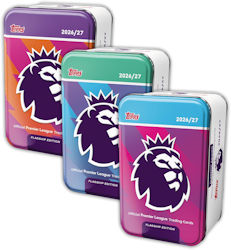
Topps Flagship Premier League 2026/27 Trading Cards Super Tin Bundle
The Super Tin Bundle contains all 3 Super Tins in the collection. Each Super Tin contains 50 cards including 3 On-Fire cards and 2 exclusive Blue Voltage parallels!
View product
Topps Flagship Premier League 2026/27 Trading Cards Online Starter Pack
The Online exclusive Starter Pack is the perfect way to kick off your Topps Flagship Premier League 2026/27 collection, bringing together stars, rookies, inserts, and exciting chase cards in one accessible format.
View product
World Club Football Records 2026
Fully revised and updated, World Club Football Records is a net-bulging collection of standout football records, stats and trivia from around the globe.
View product
As an Amazon Associate I earn from qualifying purchases.