
Hartlepool United Football Club: An Overview
Introduction
Hartlepool United Football Club, commonly known as Hartlepool or the Pools, is a professional football club based in Hartlepool, County Durham, in the North East of England. Founded in 1908, the club has a distinctive identity rooted in its coastal town, which features a strong maritime heritage. Known for their passionate supporters, Hartlepool United has built a reputation as a club with a resilient spirit, often regarded as a community hub in the region.
History
Hartlepool United was formally established following a merger between two organisations: Hartlepools Athletic and Hartlepool Central. This union allowed the club to develop a strong following and made its early mark in local league competitions. In 1921, Hartlepool joined the Football League, quickly establishing itself as a competitive force.
Over the years, the club encountered various ups and downs, particularly during the mid-20th century. A significant moment in Hartlepool’s history occurred in 1957 when the club achieved its highest league finish by placing 13th in the Second Division. The club maintained fluctuating success in the following decades, facing relegations and promotions that shaped its competitive landscape.
Stadium
Hartlepool United plays its home matches at Victoria Park, located in the town’s Old Town area. Opened in 1893, the stadium has a capacity of approximately 7,854 spectators. Victoria Park is known for its intimate atmosphere, allowing fans to create a fervent environment supporting their team. The stadium features all-seater stands and has undergone several renovations to enhance facilities for supporters. Unique aspects of Victoria Park include its close proximity to the town centre and a striking nearby clock tower that adds to its character.
Achievements
Throughout its history, Hartlepool United has celebrated several achievements, notably in the lower tiers of English football. The club reached its peak in the late 20th century and early 21st century, securing notable triumphs in cup competitions. Hartlepool won the FA Trophy in 2001 and 2003, marking significant milestones in the club’s history. Additionally, their appearances in various playoff finals have shown a competitive spirit, alongside various league titles in non-league divisions.
Famous Players & Managers
Several legendary figures have left their mark on Hartlepool United, both on the pitch and from the managerial sidelines. Among the notable players is Jimmy McPhee, who had a prolific career with the club in the 1950s and is remembered for his goal-scoring prowess. More recently, players like Jon Franks and Adam Boyd have become cult heroes for their contributions during their respective tenures.
On the managerial front, Martin Scott, who managed the club in the 2000s, played a pivotal role in guiding the team through challenging times. His tenure saw notable improvements in the team’s fortunes, fostering a strong team spirit and unity that resonated with the fanbase.
Supporters & Culture
Hartlepool United enjoys a dedicated and passionate fanbase, often referred to as the Pools faithful. The supporters play an integral role in creating a vibrant atmosphere at matches, fostering camaraderie and community spirit. Local traditions, such as pre-match gatherings in local pubs and fan-led events, showcase the close-knit culture within the Hartlepool community.
Rivalries with other clubs, particularly with nearby teams like Darlington and Carlisle United, add an exciting dimension to their fixtures. Matches against these opponents often intensify the atmosphere at Victoria Park, with fans eagerly supporting their team.
At the heart of Hartlepool United is a commitment to community values, reflected in various outreach initiatives the club undertakes. These include youth development programmes and charity activities aimed at strengthening ties with the local community, emphasising the club’s role as more than just a football team.
Conclusion
Hartlepool United Football Club, with its rich history, passionate supporters, and distinct identity, continues to be a cornerstone of local pride in Hartlepool. Its resilience, community spirit, and commitment to the sport ensure that it remains an enduring presence in the English football landscape.
Recommended Football Products
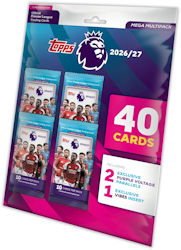
Topps Flagship Premier League 2026/27 Trading Cards Mega Multipack
The Mega Multupack contains 40 cards including 2 exclusive Purple Voltage parallels and an exclusive Vibes Insert.
View product
World Club Football Records 2026
Fully revised and updated, World Club Football Records is a net-bulging collection of standout football records, stats and trivia from around the globe.
View product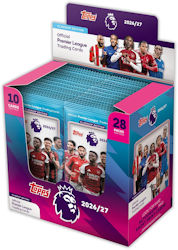
Topps Flagship Premier League 2026/27 Trading Cards Full Box
The Full Box contains 28 packets (10 cards per packet). Each box delivers the full Topps Flagship Premier League 2026/27 collecting experience, packed with stars, rookies, rare inserts, and exciting hits.
View productAs an Amazon Associate I earn from qualifying purchases.


