Motherwell Football Club: An Evergreen Profile
Introduction
Established in 1886, Motherwell Football Club is a professional football club based in Motherwell, North Lanarkshire, Scotland. Known affectionately as "The Steelmen," the club has a strong identity tied to the industrial history of its location. Over the years, Motherwell has grown a reputation for developing young talent and maintaining a competitive presence in Scottish football.
History
Motherwell FC was founded in 1886, initially formed by a group of local football enthusiasts playing as Glencairn. The club adopted its current name in 1887, reflecting the local steel industry that significantly influenced the town’s growth. The early years were marked by participation in local league competitions, but it wasn’t until 1900 that Motherwell joined the Scottish Football League.
A key historical moment came in 1931 when Motherwell won its first Scottish Cup, defeating the legendary Celtic in the final. This triumph established the club’s presence in Scottish football. Throughout the 1950s and 60s, Motherwell solidified its status as a competitive team by frequently challenging for league titles. The club reached its zenith in 1991 when it won the Scottish Cup under legendary manager Tommy McLean, a victory that remains a significant milestone in their history.
Stadium
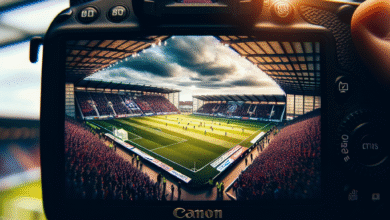
Motherwell plays its home games at Fir Park, situated in the heart of Motherwell. The stadium has a seating capacity of approximately 13,700, making it one of the more modestly sized venues in the Scottish Premiership. Fir Park boasts several unique features, including a state-of-the-art pitch that has been internationally recognised. The club has made significant investments in facilities over the years, including modernising stands and hospitality areas to improve the matchday experience for fans.
Achievements
Motherwell has an illustrious history, marked by numerous achievements. The club has won the Scottish League title on three occasions, with victories in 1931, 1932, and 1991. In addition to league success, Motherwell has claimed the Scottish Cup twice, in 1991 and 2011, as well as winning the Scottish League Cup in 1950. The club has also had notable runs in European competitions, reaching the group stage of the UEFA Europa League in 2013, showcasing its capacity to compete at a higher level.
Famous Players & Managers
Over the years, Motherwell FC has been home to several legendary figures in Scottish football. One of the most renowned is Willie McLean, who had a significant impact as both a player and manager in the mid-20th century. Other notable players include Brian McClair, a prolific striker during his time, and the talented midfielder James McFadden, who went on to earn acclaim both at Motherwell and in the national team setup.
In terms of managerial talent, Jim McLean, known for his tactical acumen, played a crucial role in shaping the club’s competitive spirit, guiding them through various successful campaigns.
Supporters & Culture
Motherwell FC enjoys a passionate and dedicated fanbase known for their unwavering loyalty. The supporters have cultivated a vibrant matchday atmosphere at Fir Park, and the club values community engagement, often participating in local initiatives. Traditional rivalries with clubs such as Hamilton Academical, known as the Lanarkshire derby, add to the fierce competition and excitement surrounding matches.
The culture at Motherwell is firmly rooted in solidarity and resilience, reflecting the club’s industrial heritage. Fans take pride in the club’s youth development, with a strong emphasis on nurturing local talent, which has contributed to a sense of identity and belonging among the community.
Conclusion
Motherwell Football Club stands as a testament to Scottish football’s rich history and vibrant culture. With a loyal fanbase, a storied past, and a commitment to fostering young talent, the club continues to be an integral part of the footballing landscape in Scotland. As it looks to the future, Motherwell remains a beacon of hope and pride for its supporters and the local community.
Recommended Football Products
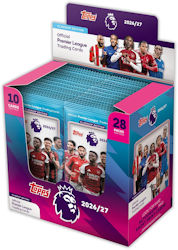
Topps Flagship Premier League 2026/27 Trading Cards Full Box
The Full Box contains 28 packets (10 cards per packet). Each box delivers the full Topps Flagship Premier League 2026/27 collecting experience, packed with stars, rookies, rare inserts, and exciting hits.
View product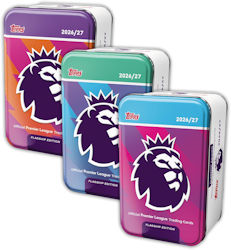
Topps Flagship Premier League 2026/27 Trading Cards Super Tin Bundle
The Super Tin Bundle contains all 3 Super Tins in the collection. Each Super Tin contains 50 cards including 3 On-Fire cards and 2 exclusive Blue Voltage parallels!
View product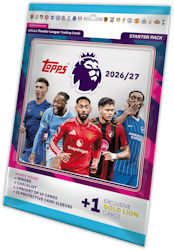
Topps Flagship Premier League 2026/27 Trading Cards Online Starter Pack
The Online exclusive Starter Pack is the perfect way to kick off your Topps Flagship Premier League 2026/27 collection, bringing together stars, rookies, inserts, and exciting chase cards in one accessible format.
View productAs an Amazon Associate I earn from qualifying purchases.