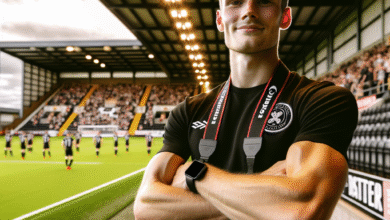
Dunfermline Athletic Football Club: An Overview
Introduction
Dunfermline Athletic Football Club, often referred to simply as Dunfermline, is a professional football club based in Dunfermline, Fife, Scotland. Founded in 1885, the club has a rich and varied history that reflects its significance in Scottish football. Renowned for its passionate fanbase and local identity, Dunfermline Athletic is a club steeped in community values and sporting tradition. The team traditionally wears black and white striped kits, and they proudly carry the nickname "The Pars."
History
Dunfermline Athletic was established in 1885 by a group of local football enthusiasts, with initial matches played at East End Park, the club’s current home. The club quickly ascended the ranks of Scottish football, joining the Scottish Football Association in 1904.
The early 20th century marked significant growth for Dunfermline, punctuated by league titles and a first appearance in the Scottish Cup final in 1961. The club won its first major trophy in 1961 by lifting the Scottish Cup, a momentous occasion cementing its status in Scottish football. The late 1960s and early 1970s saw Dunfermline rise to prominence, with a memorable run to the UEFA Cup, further establishing the club’s reputation on an international stage.
Stadium
Dunfermline Athletic’s home ground is East End Park, located in the heart of Dunfermline. The stadium has a seating capacity of approximately 11,480 and features a distinctive architectural style that reflects its long history. East End Park includes a modern stand, known as the Main Stand, and offers a vibrant match-day atmosphere, often filled with passionate supporters. Additionally, the club has made various enhancements over the years to improve facilities, maintain a safe environment, and provide an entertaining experience for fans.
Achievements
Dunfermline Athletic boasts a commendable list of achievements in Scottish football. The club has celebrated success in several notable competitions, winning the Scottish Cup twice in 1961 and 1968. Furthermore, Dunfermline has enjoyed league victories, securing the Scottish Division One title multiple times, illustrating its competitive spirit throughout its history.
The club has also competed in the top tier of Scottish football, with a significant presence in the Scottish Premiership. While the club faced challenges in recent decades, its historical triumphs continue to resonate with supporters, highlighting its enduring legacy.
Famous Players & Managers
Throughout its history, Dunfermline Athletic has been home to numerous iconic players and influential managers. Notably, the late 1960s marked the emergence of Stanley Matthews and later, players such as Alex McLeish and Norrie McCathie, who would each leave a lasting impact on the club. Alex McLeish, who later achieved fame as a manager, began his illustrious career at Dunfermline and remains a celebrated figure among fans.
The managerial chair has also seen noteworthy individuals, including Jim Leishman and John Watson, who played pivotal roles in guiding the club through various phases of its history, notably during periods of growth and success.
Supporters & Culture
Dunfermline Athletic is supported by a dedicated and loyal fanbase that takes pride in their local roots. With strong community ties, the club fosters an inclusive atmosphere, and match days at East End Park are celebrated events, bringing together families and friends.
The supporters possess a deep-seated passion for the club, often engaging in rivalries with other local teams, particularly with Raith Rovers, known as the Fife derby. This rivalry epitomises the competitive spirit of Scottish football, fostering a unique culture among fans.
Dunfermline prides itself on values such as teamwork, resilience, and community involvement, encouraging its supporters to not just be fans, but active participants in the club’s journey. The traditions of singing club anthems and wearing the iconic black and white stripes add to the vibrant match-day experience, ensuring that Dunfermline Athletic remains not just a football club, but a cornerstone of its community.
Recommended Football Products
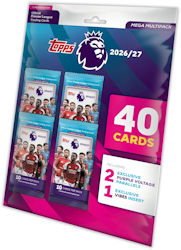
Topps Flagship Premier League 2026/27 Trading Cards Mega Multipack
The Mega Multupack contains 40 cards including 2 exclusive Purple Voltage parallels and an exclusive Vibes Insert.
View product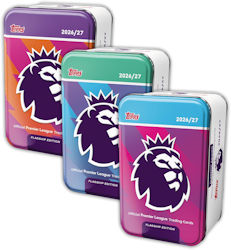
Topps Flagship Premier League 2026/27 Trading Cards Super Tin Bundle
The Super Tin Bundle contains all 3 Super Tins in the collection. Each Super Tin contains 50 cards including 3 On-Fire cards and 2 exclusive Blue Voltage parallels!
View product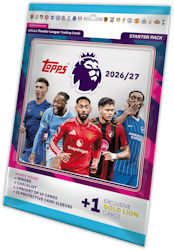
Topps Flagship Premier League 2026/27 Trading Cards Online Starter Pack
The Online exclusive Starter Pack is the perfect way to kick off your Topps Flagship Premier League 2026/27 collection, bringing together stars, rookies, inserts, and exciting chase cards in one accessible format.
View product
As an Amazon Associate I earn from qualifying purchases.