League One
Plymouth Argyle
League Position Tracker
Last 5 Results
Plymouth Argyle Player Stats
Top 10 Attacking Players
#
Player
Goals
Assists
Points
1
H. White
1
0
3
2
J. Pleguezuelo
1
0
3
3
W. Evans
1
0
3
4
X. Amaechi
1
0
3
5
B. Ibrahim
0
1
1
6
T. Bakinson
0
1
1
Top 10 Disciplinary Records
#
Player
Yellow
Red
Points
1
A. Pepple
1
0
1
2
B. Ibrahim
1
0
1
3
J. Pleguezuelo
1
0
1
4
W. Harding
1
0
1
5
X. Amaechi
1
0
1
Introduction
Plymouth Argyle Football Club, affectionately known as "The Pilgrims," represents the vibrant city of Plymouth in Devon, England. Founded in 1886, the club has established itself as an integral part of the local community and has garnered a reputation for its passionate fanbase and strong regional ties. Argyle’s green and white colours have become synonymous with the club’s identity, and its commitment to nurturing talent and promoting community engagement has solidified its status in English football.
History
Plymouth Argyle was founded in 1886, emerging from the need for a local football club that could represent the expanding city. Initially named Argyle Football Club, the prefix "Plymouth" was added in 1890. The club began its journey in the Southern League before joining the Football League in 1920.
Throughout the decades, Argyle experienced various ups and downs, with the 1950s marking one of its most successful eras. Under the management of Jack Rowley, the club reached the Second Division in 1952 and even competed in the FA Cup semi-finals in 1984. The formation of an iconic rivalry with local club Exeter City, known as the "Devon Derby," became a hallmark of Argyle’s history, reflecting a competitive spirit that continues to thrive today.
Stadium
Argyle’s home ground is Home Park, located just a mile away from the city centre. Opened in 1901, the stadium has undergone numerous renovations, with the most significant in the 1990s and early 2000s. Currently, Home Park boasts a seating capacity of approximately 17,000, making it one of the larger stadiums in the Football League.
Unique features of Home Park include its state-of-the-art facilities for both players and supporters, along with the distinctively shaped Grandstand that provides an impressive view of the pitch. The club’s commitment to enhancing the matchday experience culminated in the establishment of the Argyle Community Trust, further deepening ties with the local area.
Achievements
Plymouth Argyle has enjoyed a rich history of achievement, marked by several notable trophies and successes. The club’s most significant accomplishments include winning the Third Division (now known as League One) title multiple times, cementing its status as a competitive force in English football. The Pilgrims achieved promotion to the Championship on several occasions, highlighting their ability to rise through the ranks.
In addition to league success, Argyle has also experienced several memorable FA Cup runs, including a semi-final appearance in 1984, where they narrowly missed out on a place in the final. The club’s triumph in the Football League Trophy in 2006 serves as a reminder of its potential to shine in knockout competitions.
Famous Players & Managers
Over the years, Plymouth Argyle has been home to several legendary figures who have left an indelible mark on the club’s history. Players such as Paul Mariner, who enjoyed a prolific scoring record in the 1970s, remain celebrated icons among the fanbase. Current and former stars like Darren Moore, who later became a celebrated manager, have showcased the club’s ability to nurture talent.
In terms of management, managers like Tony Pulis, who had two successful stints at the club, are often recognised for their contributions in revitalising Argyle’s fortunes. Their tactical insight and leadership have been instrumental in the club’s achievements over the years.
Supporters & Culture
The supporters of Plymouth Argyle form a dedicated and passionate fanbase, often referred to as the "Green Army." Their loyalty has been unwavering, with home games at Home Park attracting a robust turnout. Matchdays are characterised by an electric atmosphere, with fans coming together to support their team through thick and thin.
Traditions are a core part of the club’s culture, with the singing of songs and chants reflecting the deep-rooted sense of belonging that characterises the Argyle experience. The longstanding rivalry with Exeter City ignites fierce competitiveness, capturing the imagination of both clubs’ supporters.
Overall, Plymouth Argyle Football Club is not just a football team, but a vital part of the Plymouth community, bringing together fans, families, and friends in celebration of the sport. Its rich history, passionate supporters, and a commitment to excellence continue to shape its identity in the world of football.
Recommended Football Products
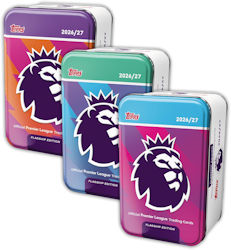
Topps Flagship Premier League 2026/27 Trading Cards Super Tin Bundle
The Super Tin Bundle contains all 3 Super Tins in the collection. Each Super Tin contains 50 cards including 3 On-Fire cards and 2 exclusive Blue Voltage parallels!
View product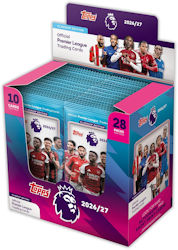
Topps Flagship Premier League 2026/27 Trading Cards Full Box
The Full Box contains 28 packets (10 cards per packet). Each box delivers the full Topps Flagship Premier League 2026/27 collecting experience, packed with stars, rookies, rare inserts, and exciting hits.
View product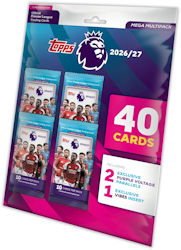
Topps Flagship Premier League 2026/27 Trading Cards Mega Multipack
The Mega Multupack contains 40 cards including 2 exclusive Purple Voltage parallels and an exclusive Vibes Insert.
View productSee all Plymouth Argyle Football Club products
As an Amazon Associate I earn from qualifying purchases.