League One
Blackpool
League Position Tracker
Last 5 Results
Blackpool Player Stats
Top 10 Attacking Players
#
Player
Goals
Assists
Points
1
J. Bowler
2
0
6
2
D. Charles
1
2
5
3
F. Munroe
1
0
3
4
J. Williams
1
0
3
5
J. Yates
1
0
3
6
K. Anderson
1
0
3
7
T. Bloxham
1
0
3
8
B. Peacock-Farrell
0
1
1
9
G. Honeyman
0
1
1
10
O. Casey
0
1
1
Top 10 Disciplinary Records
#
Player
Yellow
Red
Points
1
F. Munroe
2
0
2
2
A. Morgan
1
0
1
3
C. Hamilton
1
0
1
4
G. Honeyman
1
0
1
5
H. Coulson
1
0
1
6
K. Anderson
1
0
1
Introduction
Blackpool Football Club, often referred to simply as Blackpool, holds a prominent place in English football history. Established in 1887, the club is located in the seaside resort town of Blackpool, Lancashire. Known for its vibrant atmosphere, Blackpool has a rich heritage, underscored by its distinctive tangerine and white kit. The club is affectionately referred to as "The Seasiders" and has cultivated a reputation for resilience and community spirit, making it an integral part of both the local identity and the broader football landscape.
History
Blackpool Football Club was founded in 1887, initially participating in local leagues before joining the English League in 1896. The early years were marked by fluctuating fortunes, but the club soon found its footing in the competitive environment of English football. A pivotal moment in Blackpool’s history came during the 1940s and 1950s when the club enjoyed significant success. Under the management of Joe Smith, Blackpool reached its first FA Cup final in 1948. Although they were defeated, it set the foundation for a historic decade.
The pinnacle of the club’s early growth occurred during the 1953 FA Cup final, famously known as the "Matthews Final." Blackpool defeated Bolton Wanderers 4-3 in what is considered one of the greatest cup finals in history, thanks in part to the legendary winger Stanley Matthews. This victory firmly established Blackpool’s reputation in English football.
Stadium
Blackpool’s home ground, Bloomfield Road, is located just a stone’s throw from the famous Blackpool promenade. Originally opened in 1899, the stadium has undergone significant renovations and expansions over the years and currently boasts a capacity of approximately 17,000. Notable features of Bloomfield Road include its modern facilities and its iconic East Stand, which was completed in 2006. The ground also offers a unique atmosphere for matchdays, with the passionate support of fans contributing to the overall experience.
Achievements
Blackpool Football Club has a commendable list of achievements, the most notable being their FA Cup victory in 1953. Additionally, the club has experienced diverse success in league competitions, capturing the Second Division (now known as the EFL Championship) title during the 1930s and 1960s. Furthermore, Blackpool made strides in the Premier League during the 2010-2011 season, marking their return to the top tier of English football for the first time in decades, where they showcased their competitive spirit. Overall, the club’s history reflects a blend of triumphs that resonate with its loyal supporters.
Famous Players & Managers
Over the years, Blackpool has been home to a number of famous players and managers who have left an indelible mark on the club’s identity. Perhaps the most celebrated is Stanley Matthews, known for his extraordinary dribbling skills and longevity in the sport. Matthews’ influence extended beyond the pitch, making him a beloved figure in Blackpool’s history.
Other notable players include the gifted forward Jimmy Armfield, who captained the team during its golden age and became a respected television pundit post-retirement. From a managerial perspective, Tony Parkes and Ian Holloway are significant figures. Parkes played a crucial role as both a player and manager in the 1990s, while Holloway is renowned for leading the club to promotion to the Premier League in 2010.
Supporters & Culture
Blackpool’s fanbase is known for its unwavering loyalty and vibrancy. Supporters often gather in the town’s pubs before matches, bringing a festive atmosphere to matchdays. The club’s values emphasise community and inclusion, with various initiatives aimed at engaging local families and encouraging youth participation in football.
Rivalries form an important part of Blackpool’s culture, especially the fierce competition with clubs like Preston North End, known as the "West Lancashire Derby." These matches evoke passionate support from both sets of fans, adding to the overall excitement of the football calendar.
In summary, Blackpool Football Club is characterized by its rich history, notable achievements, and passionate fan culture. With roots deeply embedded in the community, the club continues to inspire generations of supporters.
Recommended Football Products
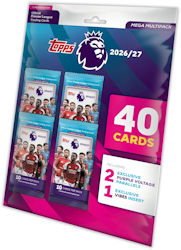
Topps Flagship Premier League 2026/27 Trading Cards Mega Multipack
The Mega Multupack contains 40 cards including 2 exclusive Purple Voltage parallels and an exclusive Vibes Insert.
View product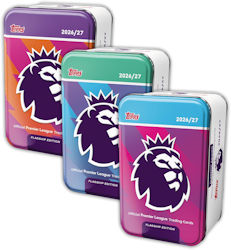
Topps Flagship Premier League 2026/27 Trading Cards Super Tin Bundle
The Super Tin Bundle contains all 3 Super Tins in the collection. Each Super Tin contains 50 cards including 3 On-Fire cards and 2 exclusive Blue Voltage parallels!
View product
World Club Football Records 2026
Fully revised and updated, World Club Football Records is a net-bulging collection of standout football records, stats and trivia from around the globe.
View productSee all Blackpool Football Club products
As an Amazon Associate I earn from qualifying purchases.