League Two
Exeter City
League Position Tracker
Last 5 Results
Exeter City Player Stats
Top 10 Attacking Players
#
Player
Goals
Assists
Points
1
J. Fitzwater
1
0
3
2
Jack Fitzwater
1
0
3
3
R. Cole
1
0
3
4
A. Oluwabori
0
1
1
5
G. Edwards
0
1
1
6
Luca Woodhouse
0
1
1
Top 10 Disciplinary Records
#
Player
Yellow
Red
Points
1
C. Cummins
1
0
1
2
Ed James
1
0
1
3
G. Edwards
1
0
1
4
J. Doyle-Hayes
1
0
1
5
J. Gordon
1
0
1
6
Jack Fitzwater
1
0
1
7
Jake Doyle-Hayes
1
0
1
8
Jayden Wareham
1
0
1
9
Josh Gordon
1
0
1
10
R. Cole
1
0
1
Introduction
Exeter City Football Club, affectionately known as the "Grecians," holds a significant place in the landscape of English football. Located in the city of Exeter, Devon, the club embodies a rich history and a strong sense of community. Established in 1904, Exeter City is known for its resilience and dedication to grassroots football, often reflecting the spirit of its loyal fanbase. With a reputation for nurturing talent and a commitment to playing attractive football, Exeter City remains a cherished institution in the English Football League (EFL) system.
History
The origins of Exeter City Football Club date back to the early 20th century, founded on May 1, 1904, as a response to the growing popularity of football in the city. The club was a result of the merger between Exeter United and St. Sidwell’s United, two local teams seeking to unify under a single banner. Finding its footing in the Southern League, Exeter City quickly established itself in regional competitions before joining the Football League in 1920, marking a pivotal moment in the club’s journey.
Throughout its history, Exeter City has experienced both triumphs and challenges, including several periods of financial hardship. Notable moments include reaching the FA Cup Fourth Round on multiple occasions, further cementing the club’s legacy in national competitions. The supporters rallied together during tough times, showcasing a remarkable sense of solidarity that has defined the club’s identity.
Stadium
Exeter City plays its home matches at St James Park, located in the heart of Exeter. The stadium has a capacity of approximately 8,700, making it one of the more intimate grounds in the Football League. St James Park is notable for its distinctive features, including the iconic Cowshed Stand, which is known for its enthusiastic and vocal supporters. The stadium has undergone various renovations over the years, enhancing the experience for fans while maintaining its traditional charm. Its location allows for a vibrant matchday atmosphere, contributing to the overall experience of attending a Grecians game.
Achievements
Throughout its history, Exeter City has secured several notable achievements. The club’s most significant triumph came in 1981, when they won the Fourth Division championship. This success was followed by a strong showing in the following seasons, including a memorable FA Cup run that saw them reach the semi-finals in 1981, where they met the powerhouses of the game. The club has also experienced success in various league competitions, consistently competing in the lower tiers of the Football League while striving for promotion to higher divisions.
In addition to their league successes, Exeter has also garnered recognition in domestic cup competitions, often demonstrating resilience against higher-ranked teams. Such achievements have solidified the club’s reputation as a resilient underdog, endearing them to fans and neutrals alike.
Famous Players & Managers
Exeter City has been home to several legendary figures who have left an indelible mark on the club’s history. Among these is the renowned forward, Sir Bobby Robson, who began his playing career at Exeter before achieving great success as a manager. Another notable figure is Alan Mackintosh, an influential player during the 1960s and 1970s, whose contributions to the club are still celebrated by fans.
In terms of management, former player Paul Tisdale stands out for his long tenure at the club from 2006 to 2018. Tisdale’s innovative tactics and leadership style helped to elevate the club’s profile during a challenging period, leading to a string of successful seasons and ultimately gaining promotion to League One.
Supporters & Culture
The fanbase of Exeter City is known for its passionate and dedicated following, with supporters often described as the club’s beating heart. Matchdays at St James Park are festive occasions, where fans gather to sing, chant, and support their team. The club fosters a strong connection with its community, regularly engaging in local initiatives and activities that underscore its commitment to the city of Exeter.
Rivalries play a significant role in the club’s culture, particularly the contests against local rivals such as Plymouth Argyle, known as the "Devon Derby." This fixture is one of the most anticipated matches of the season, often bringing a charged atmosphere and fierce competition.
Exeter City upholds values of inclusivity and community, prioritising youth development and local talent. The Grecians have established strong youth programmes aimed at nurturing the next generation of footballers, ensuring a bright future for the club and its supporters.
In summary, Exeter City Football Club is more than just a football team; it is a pillar of the Exeter community, embodying history, tradition, and an enduring love for the beautiful game.
Recommended Football Products
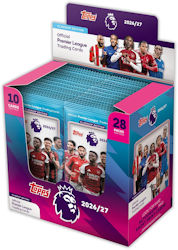
Topps Flagship Premier League 2026/27 Trading Cards Full Box
The Full Box contains 28 packets (10 cards per packet). Each box delivers the full Topps Flagship Premier League 2026/27 collecting experience, packed with stars, rookies, rare inserts, and exciting hits.
View product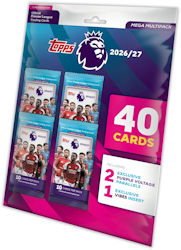
Topps Flagship Premier League 2026/27 Trading Cards Mega Multipack
The Mega Multupack contains 40 cards including 2 exclusive Purple Voltage parallels and an exclusive Vibes Insert.
View product
World Club Football Records 2026
Fully revised and updated, World Club Football Records is a net-bulging collection of standout football records, stats and trivia from around the globe.
View productSee all Exeter City Football Club products
As an Amazon Associate I earn from qualifying purchases.